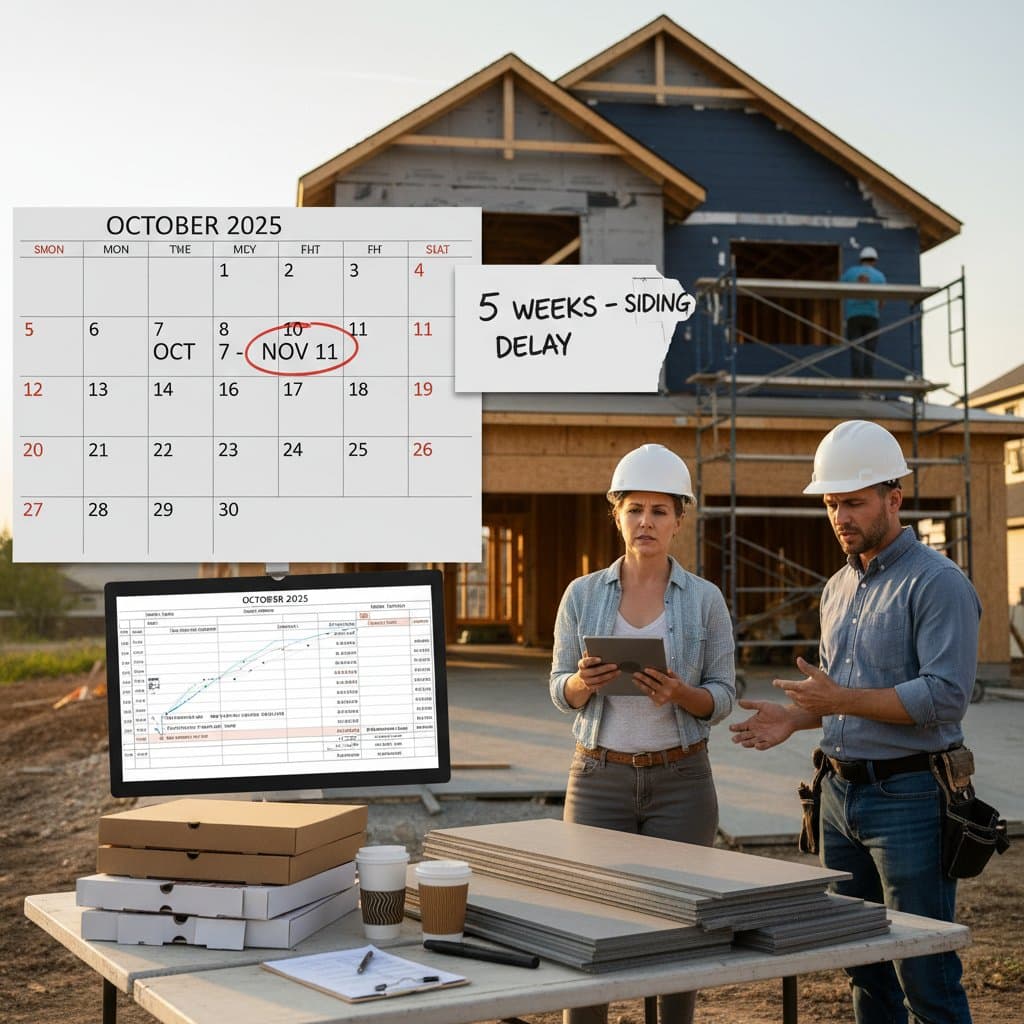
Labor Shortage Adds 5 Weeks to Siding Projects
The ongoing labor shortage in 2025 is extending siding replacement timelines by as much as 5 weeks nationwide, inflating budgets and complicating schedules for homeowners.
Loading...
Articles tagged with labor
The ongoing labor shortage in 2025 is extending siding replacement timelines by as much as 5 weeks nationwide, inflating budgets and complicating schedules for homeowners.
Siding prices will rise 30% in 2025 because of supply chain disruptions, skilled labor shortages, and higher transportation expenses. Homeowners benefit from securing estimates now, opting for resilient materials, and focusing on efficient designs. Discover approaches to effective planning, professional installation, and ongoing upkeep that enhance appearance and protect property worth over time.
A widespread shortage of skilled siding installers has increased labor costs by 30 percent, altering project budgets and schedules across the country. Homeowners encounter elevated bids, extended wait periods, and the necessity for meticulous planning. This guide provides strategies to manage costs, select appropriate materials, and protect warranties in the current siding landscape.
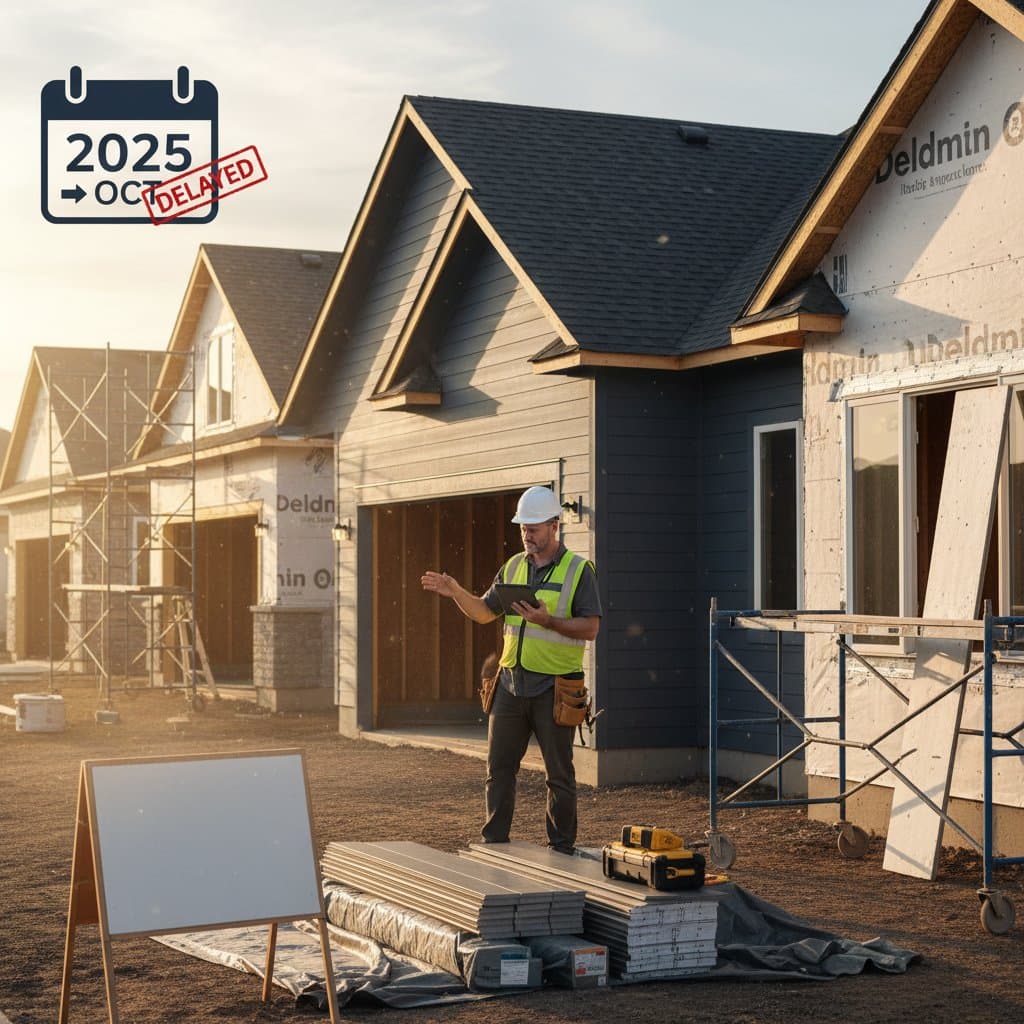
A critical shortage of skilled siding professionals is extending project timelines by up to double in 2025. Homeowners encounter rising expenses, constrained availability, and disrupted plans. This resource analyzes influences on pricing, durations, materials, and preparation tactics to streamline your upgrade amid workforce challenges.
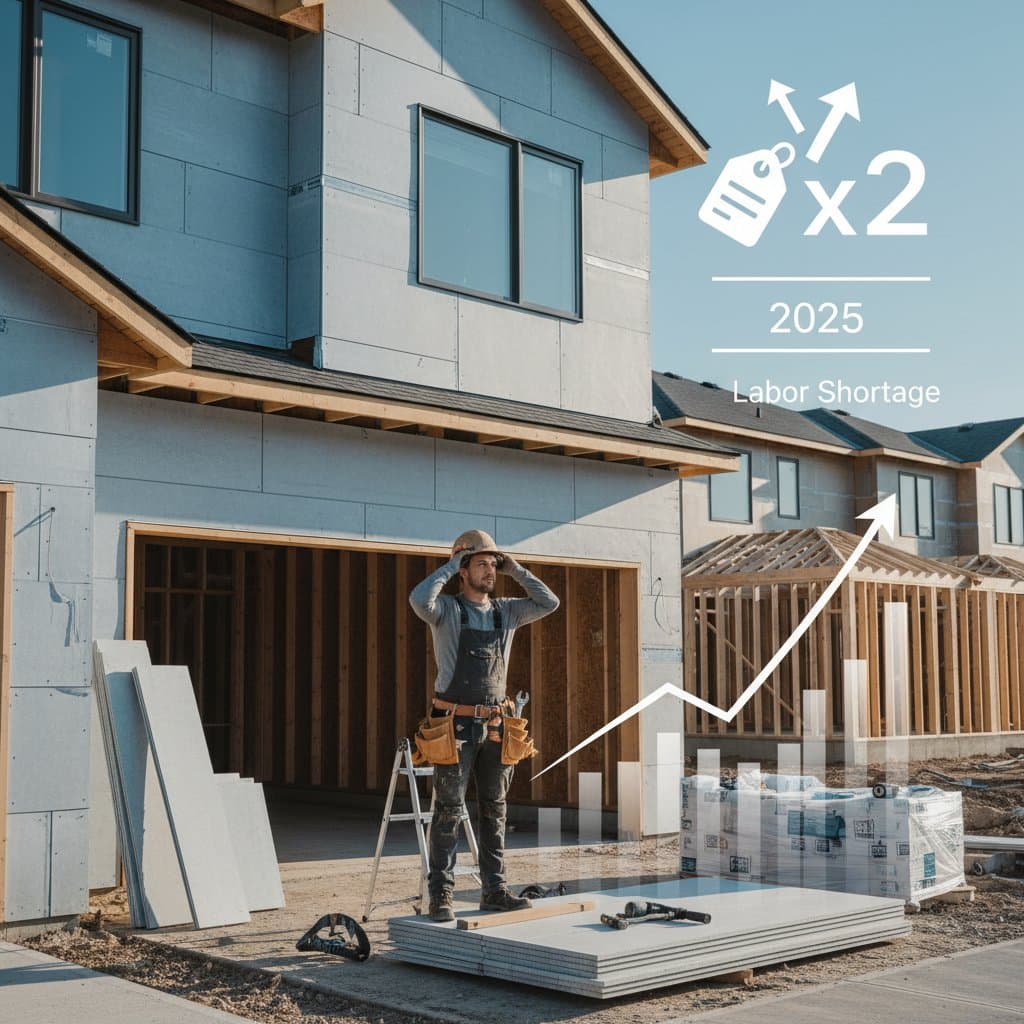
In 2025, fiber cement siding installation costs have surged nearly twofold due to a critical shortage of qualified labor across the country.
DIY siding promises savings of up to $15K, but hidden costs, safety risks, and warranty issues often outweigh the benefits. From scaffolding rentals to inspection failures, mistakes can slash durability and resale value. Learn why professional installation may actually protect your budget, home, and peace of mind.
DIY siding may promise $15K savings, but hidden costs often outweigh the gain. Extended timelines, tool rentals, code errors, warranty voids, and resale impacts turn “cheap” into costly. This guide breaks down real expenses, risks, and smarter options so homeowners can decide whether DIY truly pays—or backfires.