
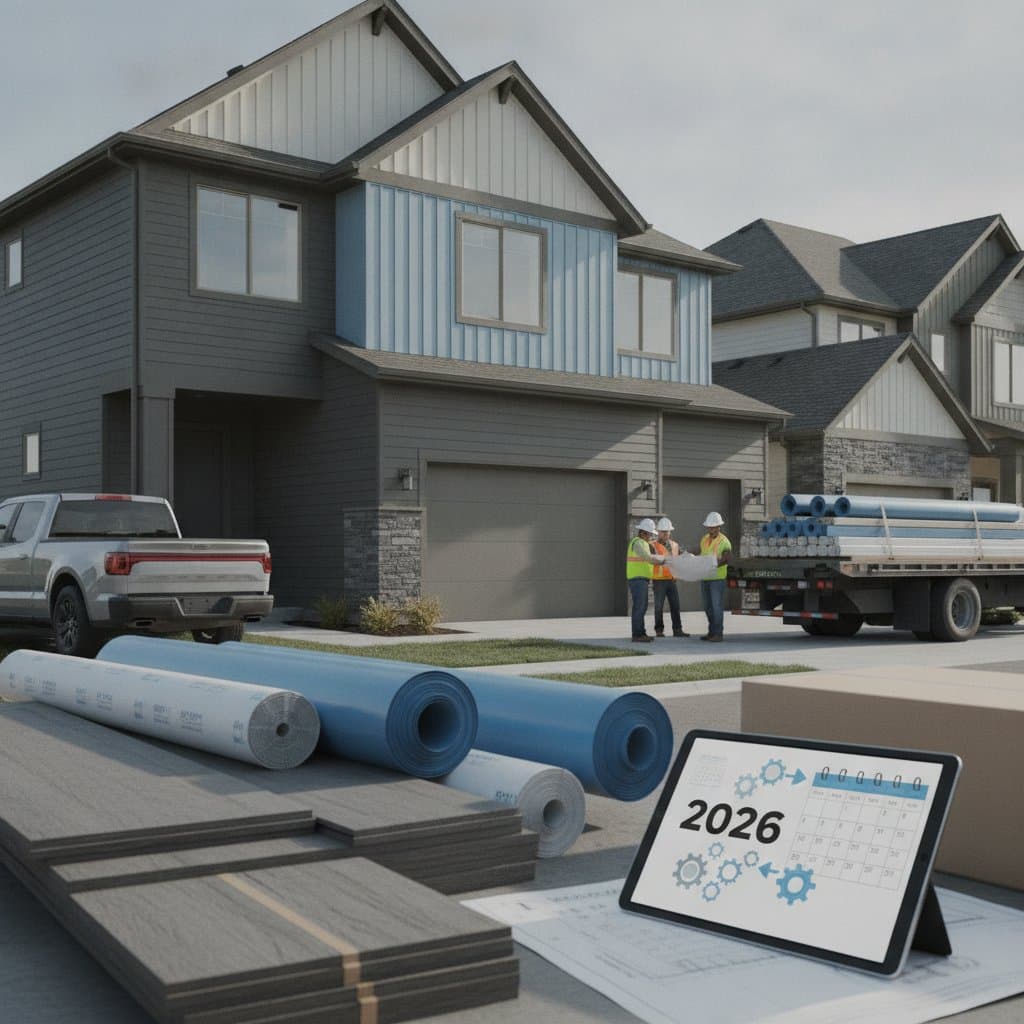
Understanding the Siding Market
Homeowners planning exterior upgrades face tight material markets. Supply chain limits, rising freight costs, and regional shortages have made some siding lines hard to find. Several reliable materials remain available. Understanding their cost, performance, and life expectancy helps you plan a project that protects both your budget and home value.
Availability can change quickly between suppliers, even within the same region. Before choosing a color or profile, ask whether the complete system is in stock, including panels, trim, starter strips, corner posts, flashing, and matching accessories. A material may appear available until the installer discovers that essential trim has a long wait. Confirming every component early helps prevent unfinished walls and mismatched replacement pieces.
Evaluating Costs and Returns
Residing a home affects three values. Market value rises when exterior durability and curb appeal improve. Perceived value grows when the finish looks current and well maintained. Total cost of ownership depends on the need for repainting, repairs, and insulation performance.
Price ranges vary widely. Vinyl siding costs 6 to 9 dollars per square foot installed. Fiber cement runs 10 to 14 dollars per square foot. Engineered wood falls between 9 and 13 dollars per square foot. Metal panels range from 12 to 18 dollars per square foot.
Cost drivers include removal of old materials, trim complexity, wall height, and access for scaffolding or lifts. A single story ranch with simple lines stays near the low end. Multi story homes with detailed trim or multiple gables trend higher.
Scale examples show the following ranges. Small projects of 1200 square feet run 9000 to 14000 dollars. Mid size projects of 2000 square feet cost 14000 to 25000 dollars. Large projects of 3000 square feet or more reach 25000 to 45000 dollars.
National remodeling studies show exterior replacements returning 70 to 90 percent of cost at resale when materials are installed cleanly and color choices fit neighborhood expectations. Plan for higher upfront cost if you want long repaint cycles or stronger fire ratings. Avoid chasing the cheapest option during shortages since inconsistent batches can hurt resale and warranty coverage.
Request an itemized estimate before signing. It should identify material quantities, labor, disposal, flashing, insulation, permits, and repairs to damaged sheathing. If the contractor finds rot or moisture damage, correcting it before installation protects the new siding from premature failure. Ask whether the quote includes ventilation improvements and replacement of deteriorated trim.
Enhancing Exterior Appearance
Strong curb appeal comes from proportion and clarity. Keep wall planes balanced by aligning window trim and corner boards. Use contrast between main siding and trim but avoid sharp extremes. Mid tone bodies with lighter trim and a darker accent on the entry door photograph well.
Color depth and undertone matter. Cool grays and blues read clean while warmer beiges or taupes work best with brick or stone bases. Compare samples in full daylight and shade before ordering when uncertain.
For entry emphasis add wider trim or vertical paneling near the front door. Keep house numbers legible and lighting symmetrical. Small upgrades such as new fixtures and clean caulking lines reinforce the impression of quality work. Buyers notice alignment, contrast, and cleanliness more than expensive materials.
Mixing profiles can add architectural interest without covering the entire house in a premium product. Horizontal siding can cover broad wall areas, while vertical panels highlight gables, porches, or entry sections. Use transitions carefully and keep the number of textures limited. Too many patterns can make a small exterior appear busy.
Ensuring Long Term Performance
Routine care keeps siding warranties valid and colors consistent. Wash dirt and mildew annually with mild detergent and a soft brush. Recaulk joints and inspect flashing every two years. Touch up paint or stain on wood and engineered wood every five years. Check fasteners and repaint fiber cement if faded every ten years.
Avoid high pressure washing which can drive water behind seams. Clean gutters and downspouts to reduce splashback. Keep shrubs trimmed away from walls. Warranty responsibilities usually require proof of maintenance. Save receipts or photos after each cleaning. Contact the installer before removing anything yourself if panels warp.
Gentle cleaning and timely sealant work extend service life and preserve value through multiple ownership cycles.
Climate should guide maintenance choices. Homes near salt air need frequent rinsing and carefully protected fasteners. Wet climates benefit from clear drainage paths behind siding, while hot regions require products and colors designed to resist expansion and fading. Ask installers how each material handles local moisture, wind, insects, and temperature changes.
Choosing Materials Wisely
Match material selection to your climate, budget, and maintenance tolerance. Vinyl offers the lowest entry cost with minimal upkeep. Fiber cement provides superior durability and fire resistance at a moderate premium. Engineered wood delivers a natural look with better stability than solid lumber. Metal panels excel in harsh weather zones when corrosion protection is verified.
Review local availability with suppliers before finalizing selections. Confirm lead times and batch consistency to avoid project delays. Proper installation remains the strongest factor in long term satisfaction regardless of material choice.
Get at least two installation opinions, and inspect completed projects nearby when possible. Look for straight courses, tight but properly spaced joints, clean window details, and consistent trim lines. Ask about manufacturer certification, ventilation practices, and warranty registration. Keeping extra matching panels or boards in a dry storage area also makes future repairs easier, especially when product colors change or supplies become limited.