
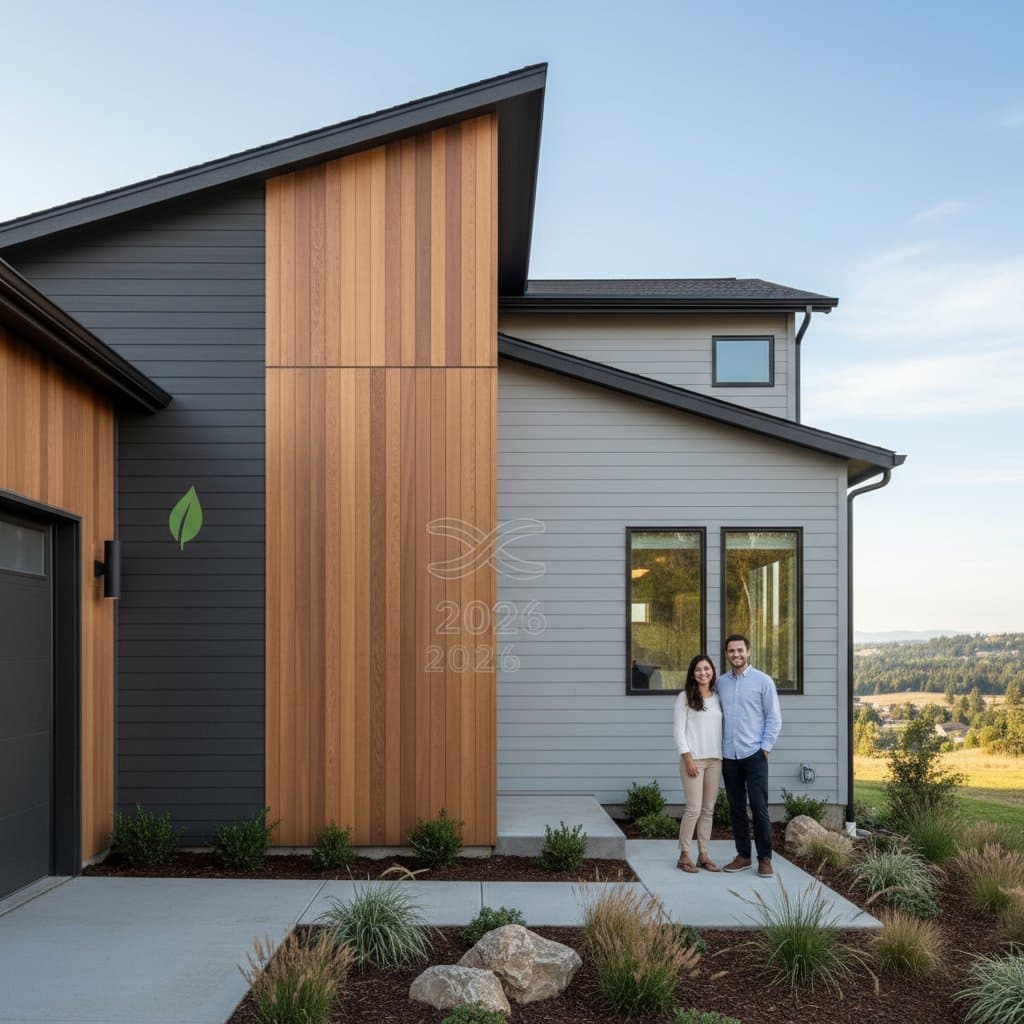
Recycled Composite Siding Reaches Price Parity With Vinyl
Homeowners comparing siding options often weigh short-term savings against long-term value. Vinyl siding has held a cost advantage for decades. Recycled composite products are closing the gap.
As production efficiencies rise and recycling streams improve, composite siding is expected to reach or even beat vinyl total installed cost within the next few years. The larger story involves durability, maintenance, and resale performance. Understanding how those elements interact helps homeowners make smart, future-focused decisions.
Material and Profile Choices
Recycled composite siding falls into two main categories. Fiber-plastic composites and mineral-plastic composites behave differently under heat, moisture, and impact.
| Material Type | Strengths | Weaknesses | Maintenance Needs | Fire & Moisture Resistance |
|---|---|---|---|---|
| Fiber-Plastic Composite | Wood texture, paintable, solid feel | Slight expansion in heat | Wash twice yearly, inspect joints | Class B fire rating, moderate moisture resistance |
| Mineral-Plastic Composite | Higher density, stable under UV | Heavier, harder to cut | Wash annually, minimal repainting | Class A fire rating, high moisture resistance |
Mixing Textures
Many homeowners mix composite lap siding with composite shingles or panels. The goal is visual interest without clutter. Keep transitions clean, align reveals, and use trim to separate textures.
Avoid three or more styles on one elevation unless architectural balance supports it. Choose one composite family per project to maintain consistent expansion rates and color tone. This simplifies installation and avoids uneven weathering.
Installation Quality and Risk Control
Composite siding performs best when installed as part of a complete moisture management system. Poor flashing or loose fasteners can negate its durability advantages.
Common failure points include window and door flashings where incorrect overlaps trap water. Always integrate flashing with house wrap. Overdriven nails cause dimples and cracks, so follow manufacturer spacing precisely.
Composite expands slightly with heat. Leave recommended clearances at joints. Maintain a minimum of 6 inches clearance from grade to prevent splashback damage. Keep a drainage path behind panels for pressure equalization.
Control dust and debris daily because composite cutting produces fine fibers that cling to siding and windows. Notify neighbors of work hours and waste bin placement. Protect landscaping with drop cloths since composite fragments can dull mower blades if left behind.
Installation quality directly affects warranty coverage and resale confidence. Choose certified crews familiar with composite fastening patterns and expansion allowances.
Contractor Selection and Bidding
Selecting a qualified installer is as important as choosing the right material. Composite siding demands more precision than vinyl because boards are heavier and less flexible.
Confirm brand, profile, and recycled content percentage. Include house wrap and flashing tape in the weather barrier. Specify thickness and finish for the trim package. Use stainless steel or coated screws only. Include removal of old siding and site cleanup. Verify who obtains and pays for local permits.
Request line-item pricing on materials, labor, and disposal to compare bids fairly. If one quote appears lower, check whether flashing, touch-up paint, or scaffolding is excluded. A detailed scope prevents surprise add-ons that erode savings.
Tie payments to milestones rather than calendar dates. A deposit of 10 to 20 percent secures materials. Schedule a midpoint draw after approved inspection of underlayment and flashing. Release final payment after punch list completion and site cleanup.
Transparent bids and milestone-based payments protect both sides. A well-documented contract ensures installation meets warranty standards and resale expectations.
Long-Term Performance and Market Value
Homeowners who invest in recycled composite siding gain a balance of appearance, performance, and sustainability. As recycled content becomes easier to source, prices continue to fall relative to vinyl. The lower repaint frequency and improved fire and moisture resistance reduce lifetime costs.
Buyers value composite siding for its solid feel and environmental credibility. Appraisers often note improved exterior perception, which can lift resale offers. Vinyl remains a lower initial investment, yet its thinner panels and shorter repaint cycle make it less compelling over time.
For households planning to stay put, the lower maintenance and stronger curb appeal of composite siding deliver daily benefits. For those preparing to sell, an updated exterior signals care and quality, often recovering most of the installation cost through a stronger first impression.