
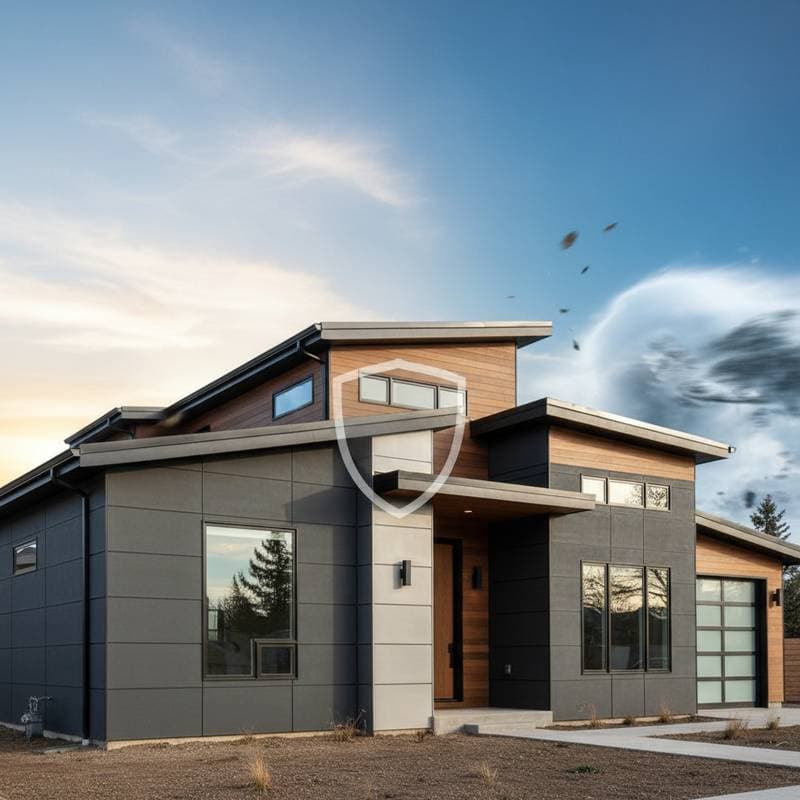
- Proportions: Align siding patterns seamlessly at edges to maintain continuity.
- Color harmony: Select trim shades one or two tones from the main color for subtle definition.
- Orientation: Apply vertical panels to elongate slim homes; horizontal ones broaden compact builds.
Color selection essentials:
Mid-range neutrals such as warm grays or muted beiges endure solar exposure and render effectively in images. Deep hues retain heat, potentially leading to material stress in vinyl or wood composites. Pale shades deflect rays in warm areas, aiding in reduced air conditioning needs.
Focal points at entrances:
Refine doorways with precise trim, prominent numbering, and even illumination. Uniform hardware styles and positions boost utility and sophistication.
Practical advice:
Streamline profiles and accentuate access points to maximize visual impact without added expenditure.
Ensuring Longevity Through Maintenance
Consistent checks and upkeep prolong siding performance and sustain its look. Oversight may reduce lifespan by ten years or longer.
Approved cleaning techniques:
- Employ a gentle brush with diluted soap solution.
- Limit pressure washing to under 1,200 psi to avoid erosion.
- Flush completely to eliminate traces.
Routine evaluation schedule:
Examine surfaces biannually for fissures, displaced sections, or deteriorated seals. Post-storm, verify secure flashing and attachments.
Remedial actions:
- Apply fresh coating to exposed areas.
- Secure loosened components.
- Swap out compromised borders promptly to block moisture entry.
Warranty compliance:
Providers demand evidence of correct fitting and care logs. Retain records of transactions and assessments to uphold protections.
Upkeep schedule:
| Task | Frequency | Objective |
|---|---|---|
| Clean exterior | Annually | Clear debris, allergens, and deposits |
| Review seals and edges | Biannually | Block water intrusion and decay |
| Refresh finishes | Decennially to quinquennially | Preserve protective layers |
| Mend trim damage | Immediately | Safeguard joints and boundaries |
Practical advice:
Incorporate brief periodic routines over deferred repairs. Proactive measures secure the outer shell and prepare for sales.
Daily Benefits and Sustained Performance
Superior siding transcends mere endurance; it moderates energy use, simplifies care, and bolsters market position. Climate-adapted choices like fiber cement, steel, and engineered wood retain form and hue across broad thermal ranges. Insulated composites further diminish energy consumption.
To optimize durability, adopt these practices:
- Maintain dryness and cleanliness.
- Monitor connections and barriers routinely.
- Resolve minor flaws swiftly.
With diligent attention, premium installations endure for decades, upholding allure. Observers appreciate uniform surfaces and precise execution, often resulting in favorable negotiations.
Professional Recommendations for Optimal Results
- Align patterns uniformly across levels for cohesive appearance.
- Opt for pre-coated sheets to economize on finishing.
- Favor fade-resistant neutrals appealing to diverse audiences.
- Confirm proper airflow in attics and cavities to avert condensation.
- Time projects for temperate conditions to enhance bonding and safety.
These choices safeguard funds and ensure enduring reliability.
Addressing Frequent Challenges
Fading occurs from prolonged sun exposure; select UV-protected finishes and clean annually to mitigate. Cracking in cold snaps signals expansion issues; ensure flexible sealants during installation. Wind damage appears as lifted edges; reinforce fasteners in exposed zones.
Moisture buildup behind panels leads to rot; improve ventilation and inspect post-rain. For vinyl warping in heat, choose thicker gauges rated for high temperatures. Early detection through seasonal checks prevents escalation.
Strategies for Enduring Care
Integrate siding into broader home preservation by coordinating with roof and foundation maintenance. Track environmental shifts, such as rising humidity, and adapt sealants accordingly. Consult specialists for assessments every five years to anticipate needs.
Budget 1 to 2 percent of home value annually for exterior care, allocating to inspections and minor fixes. This approach sustains performance, averting costly overhauls and preserving equity.