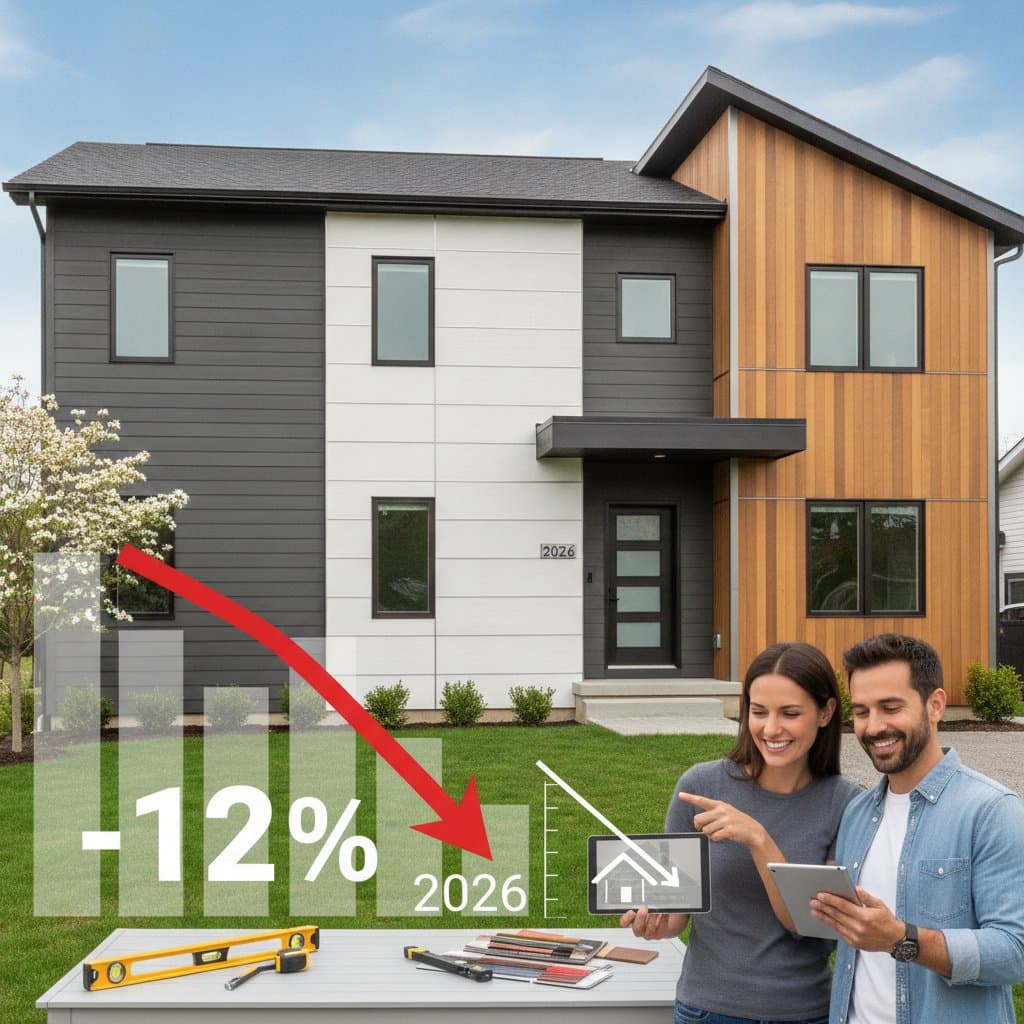
Vinyl Siding Shortage to Drive 2026 Price Increases
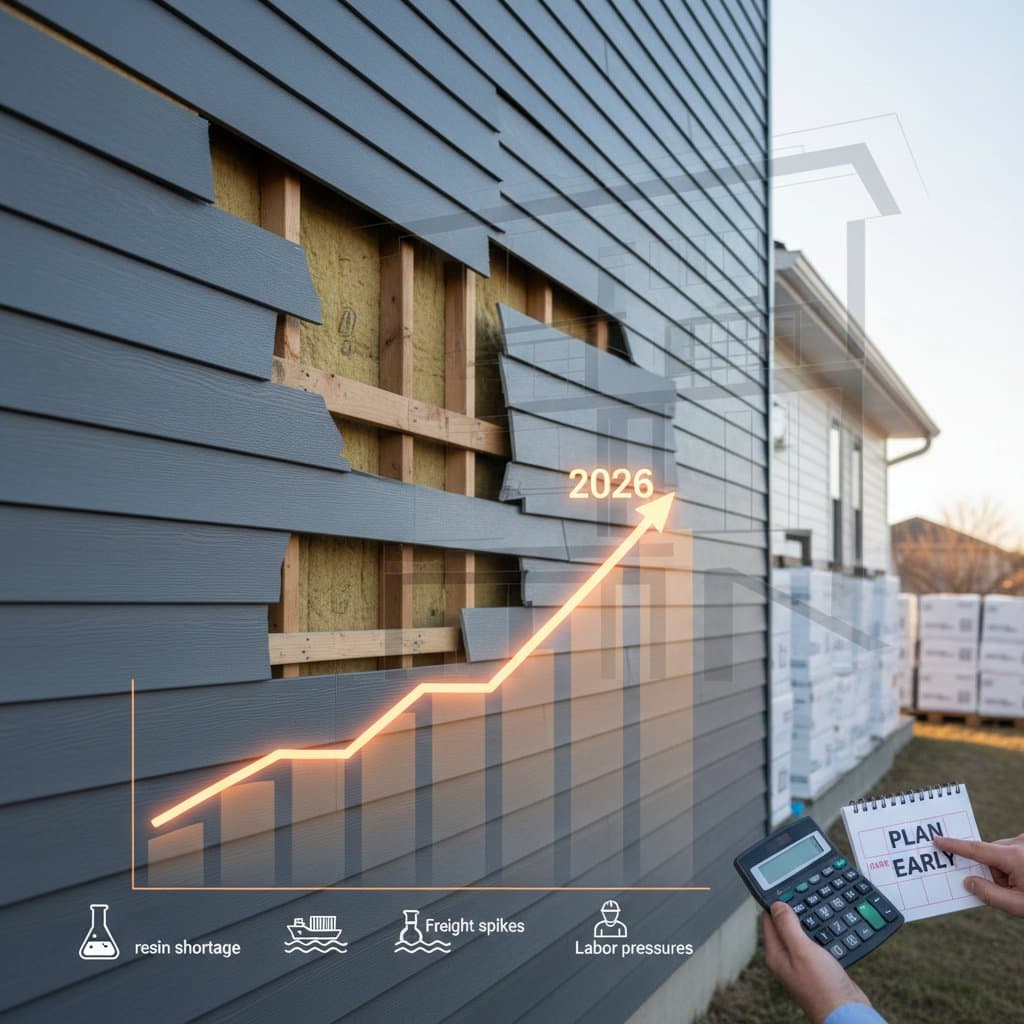
Supply chain pressures on vinyl siding will increase costs through 2026. Homeowners can control expenses by defining scope early, comparing detailed bids, and securing materials in advance.
Loading...
Articles tagged with prices
Supply chain pressures on vinyl siding will increase costs through 2026. Homeowners can control expenses by defining scope early, comparing detailed bids, and securing materials in advance.
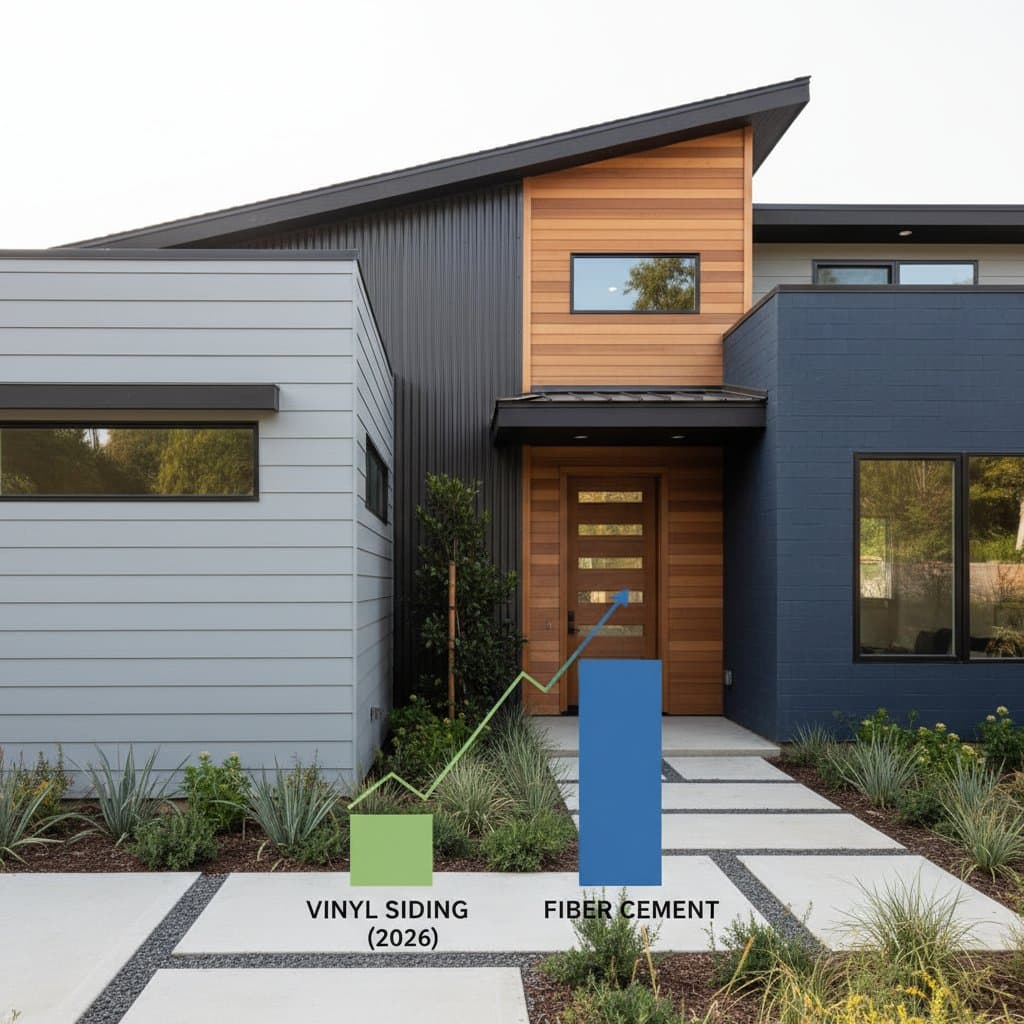
Vinyl siding prices decline in 2026, enhancing affordability for home exteriors. This comprehensive guide evaluates vinyl alongside fiber cement, engineered wood, and metal in terms of expenses, longevity, aesthetics, installation processes, upkeep requirements, and warranty protections. Gain expert insights on budgeting, planning, and strategies to optimize your home's enduring appeal and worth.
A persistent fiber cement shortage is set to elevate siding costs by $1-2 per square foot through 2026, complicating timelines for homeowners and builders alike. With supply chains strained by raw material shortages and logistics challenges, proactive strategies become essential. This guide offers practical advice on selection, installation, maintenance, and contingency planning to safeguard your exterior renovation budget and quality.
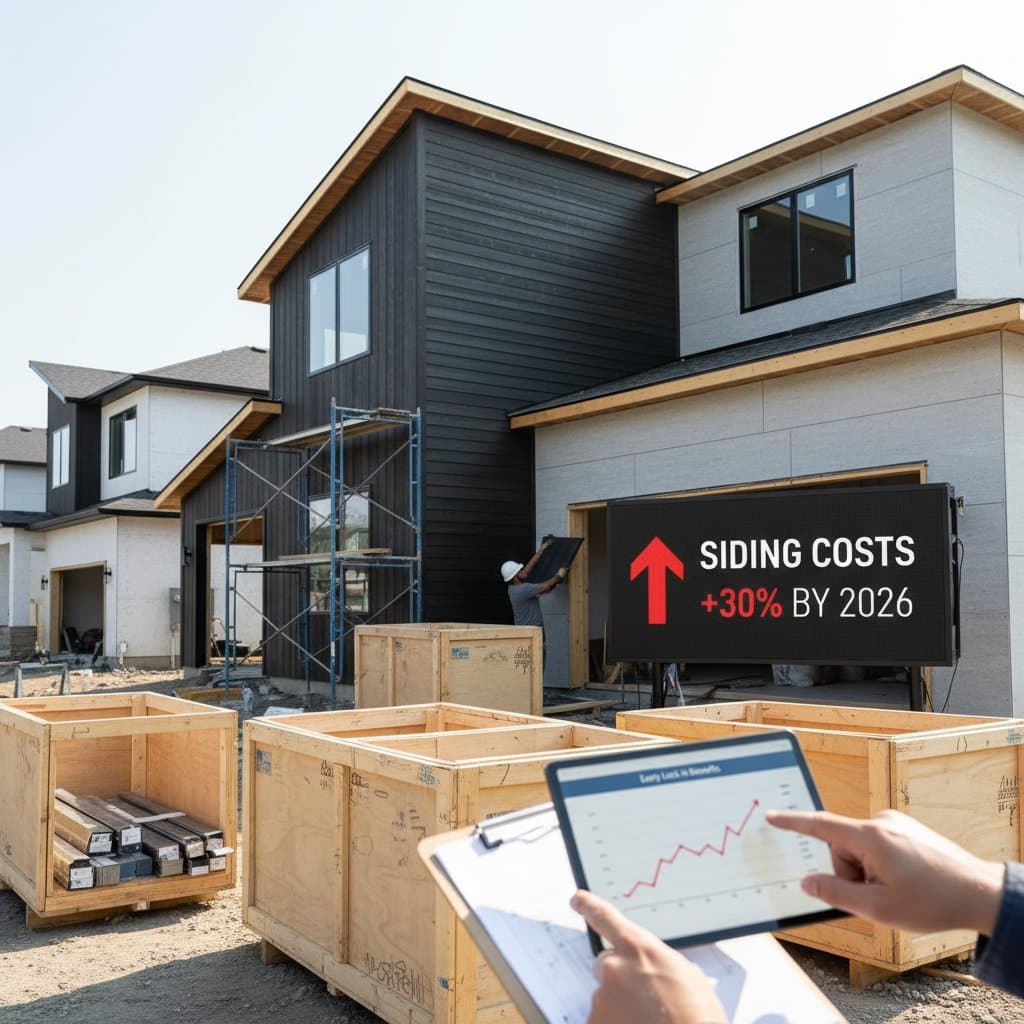
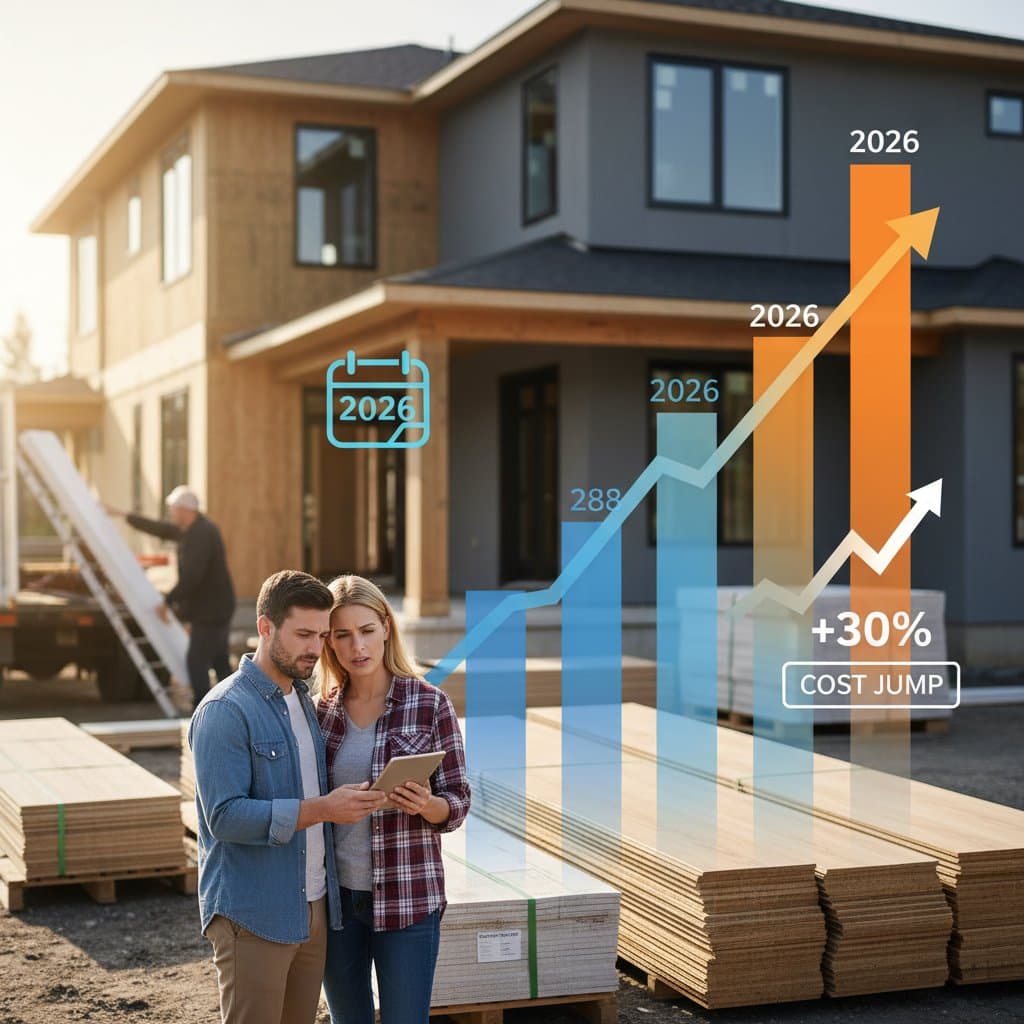
Siding prices face a projected 30% increase by 2026 from supply shortages and demand pressures. Homeowners can mitigate impacts by obtaining early quotes, selecting in-stock materials, and ensuring professional installation to uphold curb appeal and investment returns.
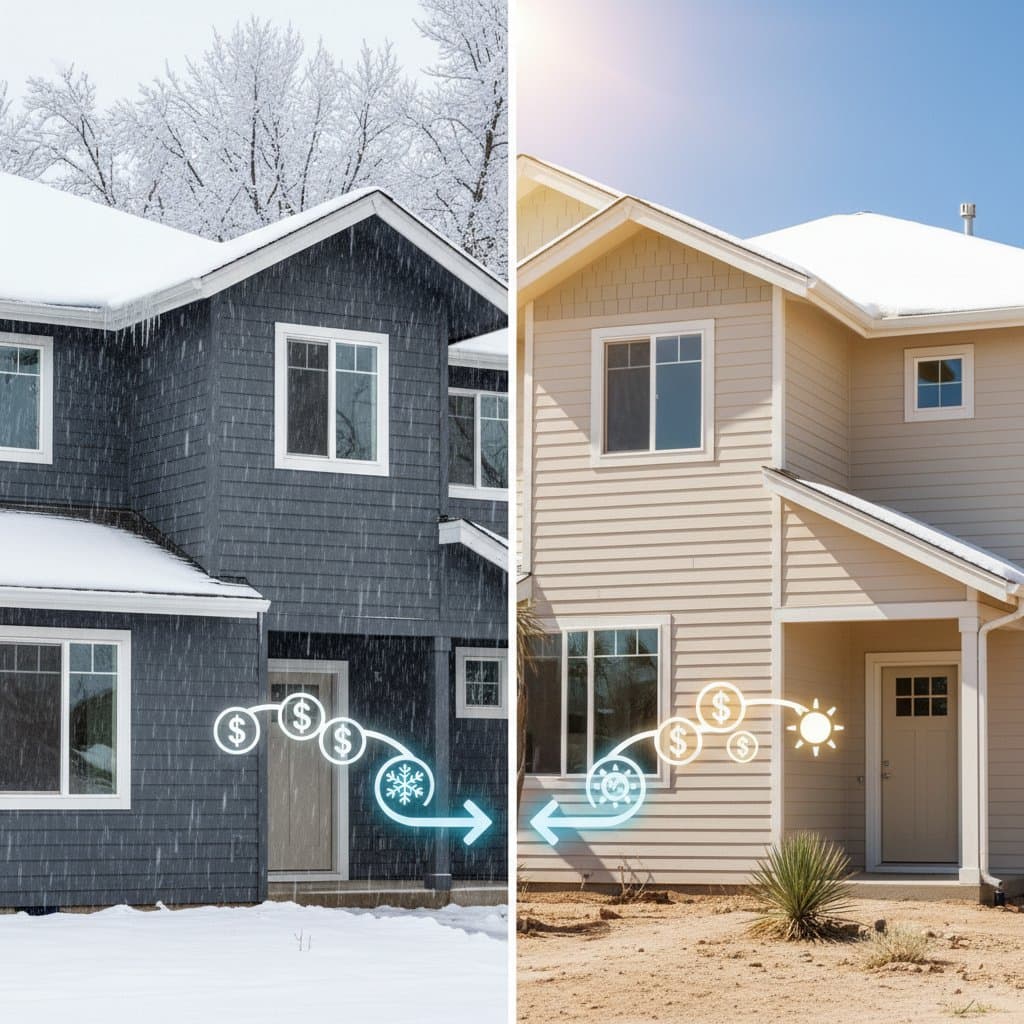
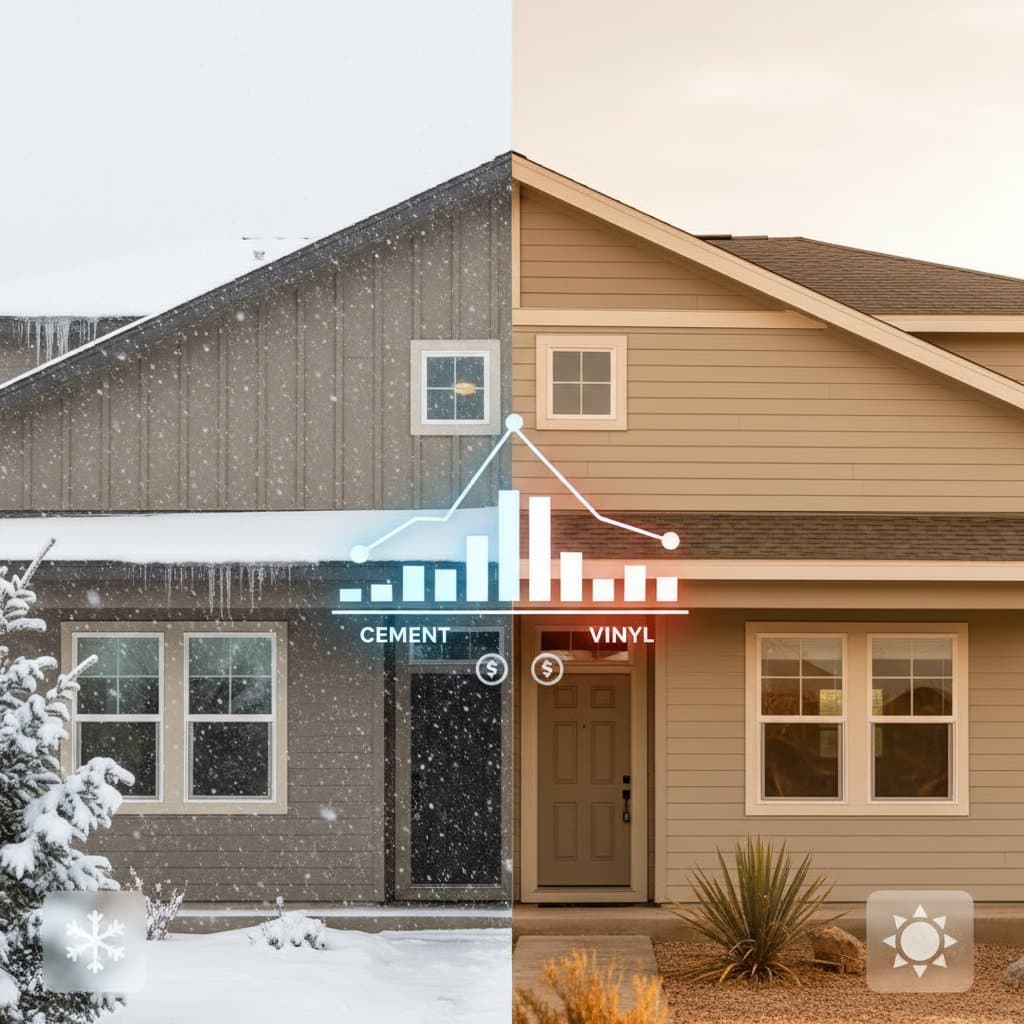
Selecting between fiber cement and vinyl siding involves more than aesthetics; it requires consideration of local climate, upfront costs, and enduring performance. This analysis details installation expenses, upkeep requirements, and zone-specific resilience to guide homeowners toward cost-saving exterior improvements that enhance both appearance and longevity.
Siding prices are set to increase by 30% in 2026 due to supply chain issues, higher freight rates, and labor demands. This resource equips homeowners with insights on current pricing, material options, installation best practices, and steps to secure favorable terms now, ensuring cost-effective and resilient exterior upgrades.
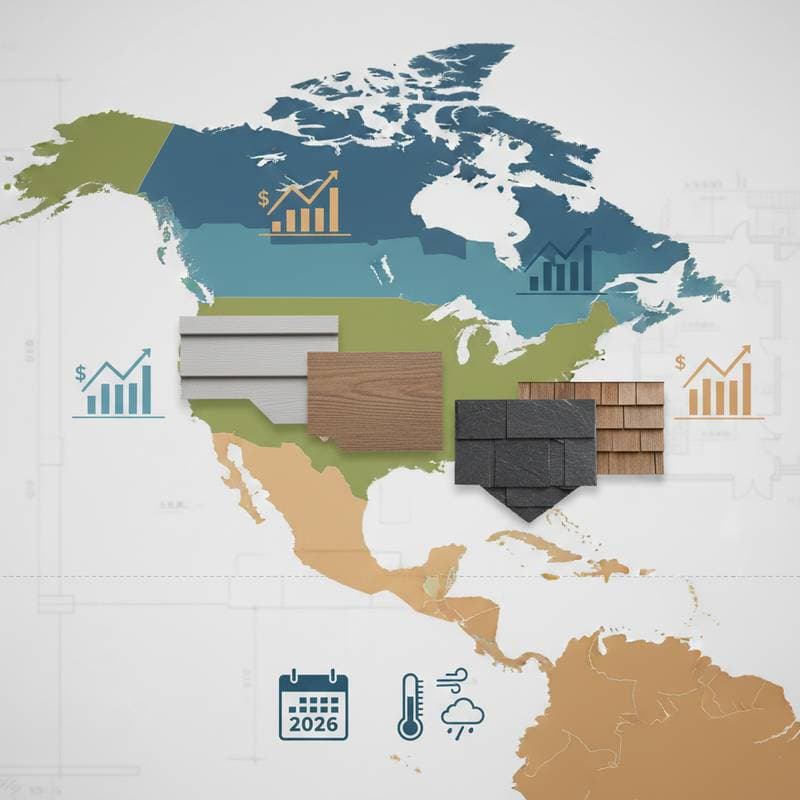
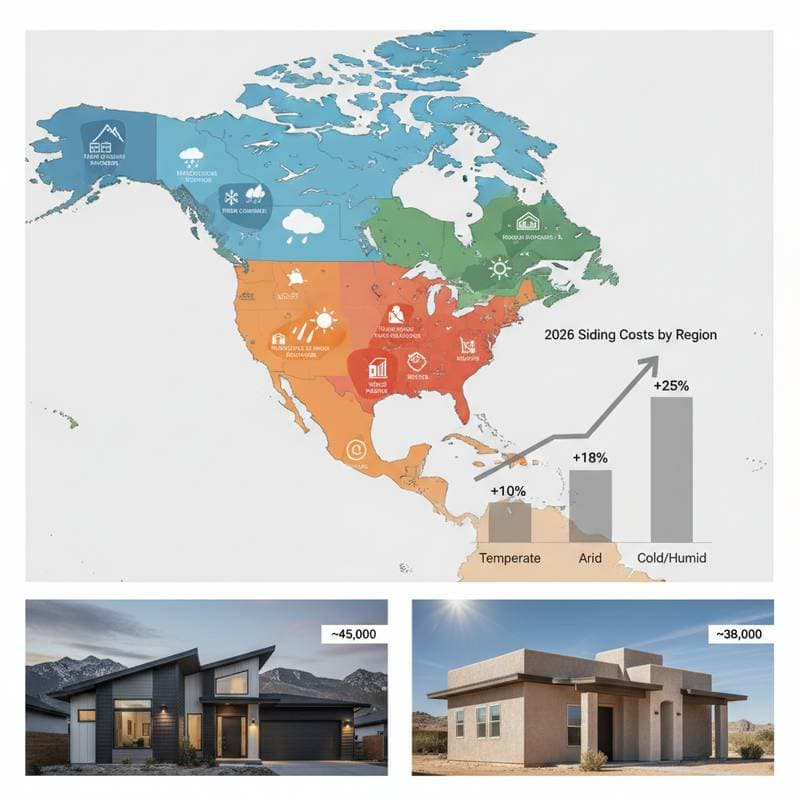
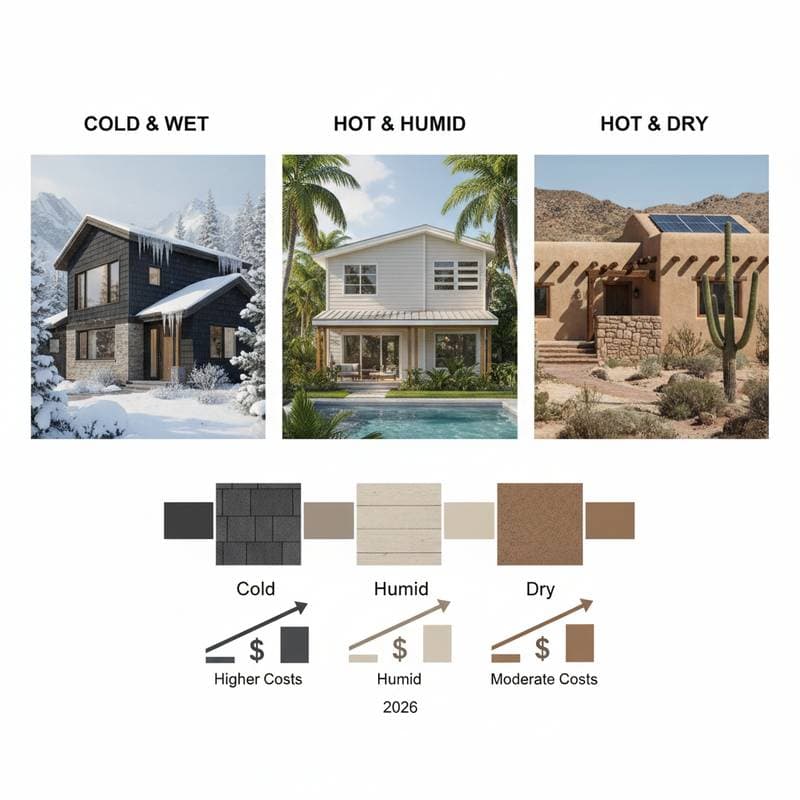
Climate zones significantly impact 2026 siding costs, ranging from $6 to $15 per square foot. This guide examines how environmental factors affect pricing, highlights material options suited to various regions, and provides practical advice for budgeting and selecting durable solutions that match your local conditions.
Siding replacement costs in 2026 fluctuate by climate zone due to variations in temperature, humidity, and wind. This resource details regional pricing, material durability, and preparation strategies to assist homeowners in selecting appropriate options, managing expenses, and achieving enduring results suited to local conditions.
Climate significantly influences siding replacement expenses, affecting material suitability, labor requirements, and enduring performance. Examine the effects of temperature variations, humidity levels, and design decisions on costs and returns. Uncover effective material combinations, strategies for enhancing curb appeal, and maintenance approaches that safeguard investments and elevate property values in diverse climate zones.
Deciding between fiber cement and vinyl siding requires evaluating climate, costs, and durability. This guide details performance in various weather conditions, helping you choose the material that optimizes protection, appeal, and financial returns.
Nationwide siding shortages in 2025 are inflating home exterior costs by thousands, extending lead times, and complicating bids for all materials. This comprehensive guide details rising prices, smart material selections, durability factors, and step-by-step planning to help homeowners budget effectively and achieve quality results amid market pressures.
Material shortages are pushing siding costs higher in 2025, affecting renovation plans nationwide. Homeowners encounter elevated prices, extended delays, and choices in materials. Strategic steps, such as securing quotes in advance, opting for resilient products, and hiring skilled installers, safeguard investments and enhance property appeal.