
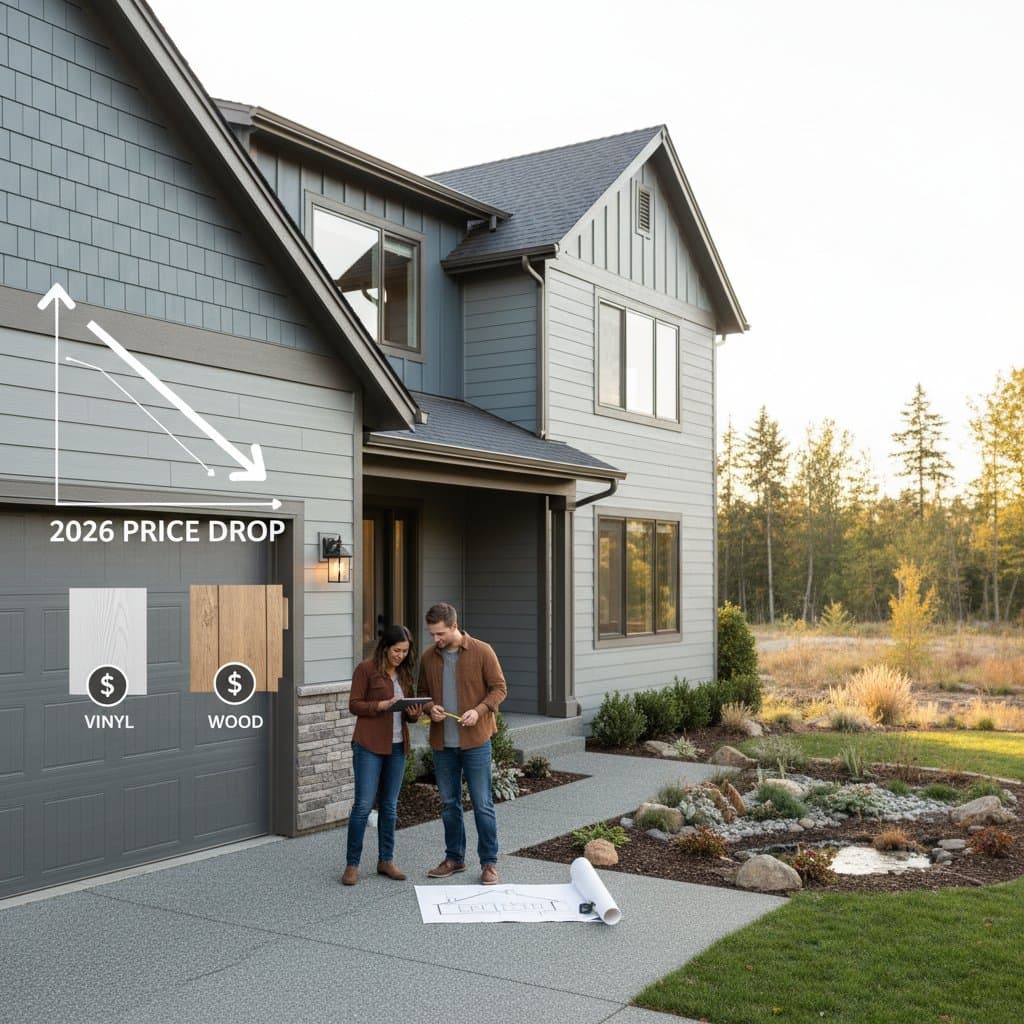
Understanding the 2026 Vinyl Siding Price Drop
Vinyl siding remains a preferred choice for homeowners who seek a balance between aesthetic appeal, structural resilience, and enhanced property value. Market analyses indicate a notable decline in vinyl siding prices starting in 2026, which positions this material as an even more attractive option for comprehensive home exterior projects or targeted replacements. By examining the factors influencing these costs and comparing vinyl to alternatives such as wood, fiber cement, and engineered wood products, homeowners can better match their renovation goals with sustainable financial outcomes.
This price adjustment stems from advancements in manufacturing efficiency and increased supply chain stability, allowing producers to offer competitive rates without compromising quality. As a result, vinyl siding now provides broader accessibility for projects that previously seemed out of reach for moderate budgets. Homeowners benefit from this shift through reduced upfront expenses and preserved long-term advantages in maintenance and durability.
Analyzing Costs, Return on Investment, and Influencing Factors
The expense for a complete vinyl siding installation on a typical single-family home falls between $9,000 and $24,000, depending on the home's size and specific requirements. Remodeling industry data reveals that vinyl siding projects typically yield a return on investment of 65 to 75 percent when the home is sold, reflecting strong recoupment of costs through improved marketability. The 2026 price drop further closes the cost differential with premium options like wood or fiber cement siding, thereby elevating the overall financial appeal for renovations aimed at resale enhancement.
Several elements contribute to the total project cost. Removal of existing siding incurs charges of $0.50 to $1.25 per square foot, varying by the old material's nature and ease of disposal. Architectural complexities, such as gables, dormers, or intricate trim work, can elevate labor expenses by as much as 20 percent. Homes with multiple stories demand additional safety measures like scaffolding, which extend installation time and associated fees.
The extent of trim applications also plays a role; comprehensive packages for corners and windows not only raise costs but also significantly improve the home's visual harmony. Site accessibility presents another variable: properties with limited space or challenging terrain may see labor increases of 10 to 15 percent due to logistical hurdles.
To illustrate practical scales:
- Small-scale project: A one-story ranch-style home re-siding effort generally costs $8,500 to $12,000, ideal for straightforward updates.
- Medium-scale project: For a two-story colonial residence, expect $14,000 to $19,000, accounting for moderate height and standard features.
- Large-scale project: Custom homes featuring multi-layered elevations range from $20,000 to $28,000, reflecting heightened complexity and detail.
This evolving pricing landscape enhances vinyl siding's accessibility while upholding its reputation for delivering substantial value. It stands out as a strategic upgrade that immediately elevates a property's exterior presence, particularly for those prioritizing fiscal prudence.
Enhancing Curb Appeal Through Thoughtful Design
Effective design choices elevate vinyl siding beyond mere functionality, transforming it into a defining feature of home aesthetics. Homeowners should concentrate on achieving balanced proportions and seamless transitions to convey a sense of premium craftsmanship. Three core areas warrant particular attention to maximize visual impact.
First, consider massing and proportion. Maintain continuous horizontal lines across wall surfaces to create a unified appearance. For taller walls, incorporate trim bands or strategic window groupings to introduce subtle breaks and prevent an overwhelming vertical emphasis.
Second, select colors with appropriate depth. Mid-tone shades like grays, taupes, and muted greens perform consistently across diverse lighting conditions. Opt for matte or low-sheen finishes to minimize the visibility of seams and ensure a smooth, professional look.
Third, emphasize the entryway for focal interest. Integrate trim elements, exterior lighting fixtures, and house numbers in coordinated finishes to establish clear visual hierarchy and welcoming order.
Additional design strategies include mixing panel profiles for texture variation, such as combining horizontal laps with vertical accents on corners. These approaches not only personalize the exterior but also align with buyer preferences for modern, cohesive facades that blend timeless style with contemporary efficiency.
Buyers consistently favor exteriors that demonstrate thoughtful color coordination and rhythmic material application throughout all elevations, leading to higher perceived value and quicker sales.
Ensuring Longevity with Proper Maintenance
One of vinyl siding's primary advantages lies in its minimal maintenance demands, which preserve both appearance and performance over decades. Routine care involves simple methods to address common issues like dirt accumulation or mildew growth, using a mild detergent solution and a soft-bristled brush for gentle cleaning. Steer clear of high-pressure washers directed at angles that could force water behind the panels, as this risks damaging the underlying structure.
Follow this structured maintenance schedule to sustain optimal condition:
- Spring routine: Thoroughly rinse the entire surface and check for any loose or damaged panels that require securing.
- Fall preparation: Remove leaves, debris, and organic buildup from the bottom starter strips to prevent moisture retention.
- Triennial inspection: Reapply caulk to trim joints as needed and examine flashing areas for signs of wear or separation.
- Ongoing repairs: Promptly replace any cracked or warped panels to avoid aesthetic deterioration and potential escalation of issues.
Vinyl siding manufacturers typically provide warranties spanning 20 to 30 years against fading, cracking, and material defects, provided that installation adheres to guidelines and cleaning follows recommended protocols. Documenting these efforts supports warranty claims and extends the siding's effective lifespan.
A disciplined yet brief seasonal regimen ensures color vibrancy remains intact and isolates minor problems before they compromise the overall installation.
Securing Lasting Benefits from Vinyl Siding
The forthcoming price reduction in 2026 solidifies vinyl siding as the premier economical solution for full-home exterior cladding. It offers quantifiable advantages in resale potential, reduced ongoing expenses, and enduring aesthetic consistency. Homeowners who select vinyl now position themselves to capitalize on these trends, achieving a resilient and attractive upgrade that aligns with both immediate needs and future market dynamics.