
Siding Materials That Retain Value Amid 2026 Inflation
Homeowners encounter fluctuating material prices that influence siding decisions. Selecting options with stable supply chains, extended warranties, and reliable weather resistance proves essential for maintaining long-term value. This guide examines key materials, their performance under economic pressures, and strategies to manage project expenses while preserving durability.
Inflation impacts components such as vinyl resins, fiber cement binders, transportation fees, and labor rates. Materials backed by consistent production and minimal volatility in raw inputs offer the best protection against escalating costs. Focus on choices that balance initial investment with enduring performance to safeguard home equity.
Understanding Styles and Selection Criteria
Essential Profiles and Their Applications
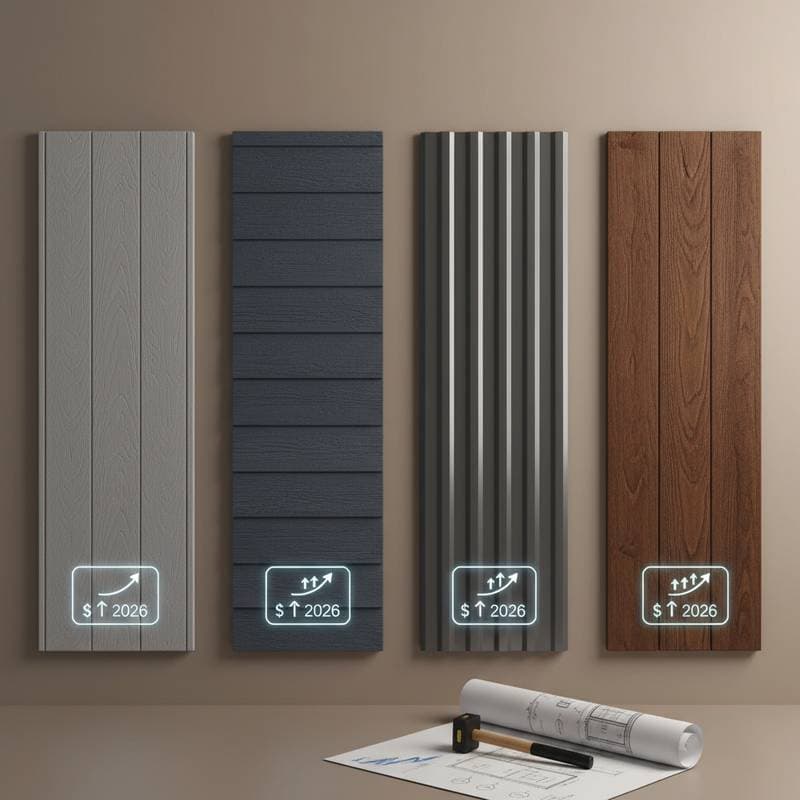
Lap siding provides broad coverage and effective water runoff, ideal for traditional and contemporary homes alike. Board and batten introduces vertical lines that enhance rhythm on rustic farmhouses or sleek modern structures. Shingles and shakes deliver textured depth, particularly effective on gable ends or focal accents. Panels deliver seamless, modern aesthetics across expansive wall sections.
Combining profiles succeeds when alignments occur at natural divisions, such as floor levels or window groupings. This approach maintains visual harmony without overwhelming the facade.
Evaluating Material Options
Each material presents unique advantages and challenges in the context of rising costs. Consider factors like sourcing reliability, lifecycle expenses, and adaptation to local climates when making selections.
| Material | Advantages | Disadvantages |
|---|---|---|
| Vinyl | Affordable entry price, simple cleaning routines, extensive color variety | Susceptible to warping in extreme heat, moderate resistance to impacts |
| Fiber Cement | Resistant to fire and pests, accepts paint applications durably | Requires heavier lifting during installation, demands protective equipment for cutting |
| Engineered Wood | Offers natural warmth and aesthetics, weighs less than cement alternatives | Needs sealing on cut edges, periodic repainting every 5-7 years |
| Steel | Exceptional longevity and strength, fully recyclable at end of life | Elevated initial expense, fewer options for surface textures |
| Composite | Maintains color stability, experiences low thermal expansion | Emerging formulations may lack extensive performance data over decades |
Vinyl remains popular for budget-conscious projects due to its lightweight nature and quick installation, which reduces labor charges. Fiber cement excels in regions prone to wildfires or termites, justifying its higher upfront cost through reduced replacement needs. Engineered wood appeals to those seeking organic appearances without the maintenance demands of solid timber. Steel suits high-wind areas, where its rigidity prevents damage from debris. Composites bridge gaps in performance, often incorporating recycled content to appeal to eco-focused buyers.
Guidelines for Combining Materials
Designate a primary material for at least 70 percent of exterior surfaces to establish a unified base. Reserve secondary materials for accents on gables, entryways, or soffits to introduce variety without fragmentation. Coordinate trim hues with the siding's deepest shade to foster seamless integration.
Selecting Trim and Accents
Trim elements shield vulnerable edges and unify diverse profiles. Opt for PVC or aluminum variants, which resist moisture decay and retain finishes longer than natural wood. As paint expenses rise, prefinished options minimize recurring application costs and labor.
Tailored Examples for Different Home Styles
For a single-story ranch, pair vinyl lap siding with fiber cement accents on porch columns; this combination controls costs while ensuring fade resistance under sun exposure. In a two-story colonial, employ fiber cement lap throughout with composite trim details to enhance durability and elevate street presence. A modern urban infill benefits from steel panels secured with concealed fasteners, promoting minimalist lines and boosting market desirability.
Preparing for a Successful Siding Project
Establishing Objectives and Project Boundaries
Identify priorities such as enhancing visual appeal, improving energy efficiency, or simplifying upkeep. Calculate total wall square footage and document issues like moisture damage or substrate weaknesses. Determine inclusion of trim, soffits, or gutter integrations early to refine estimates.
Soliciting and Evaluating Contractor Proposals
Obtain at least three detailed bids in writing. Require specifications for materials, attachment methods, weather-resistant barriers, and waste management. Confirm each contractor's licensing, bonding, insurance coverage, and client testimonials. Beware of bids that omit scope details, as they frequently result in unforeseen add-ons.
Reviewing Samples and Securing Approvals
Request tangible samples of proposed siding and trim materials. Evaluate color variations under morning, midday, and evening illumination to predict real-world appearance. Arrange for a modest on-site mockup if feasible, assessing gap dimensions and seam placements. Finalize agreements by documenting exact color formulations and surface treatments.
Preparing the Site and Managing Installation
Ensure unobstructed pathways around the property by relocating patio items, barbecue units, and landscaping features. Allocate 3 to 4 feet of clearance for worker mobility and equipment. Anticipate routine debris removal and operational sounds from sawing. Secure indoor areas for pets and family members to maintain safety.
Conducting Milestone Inspections
Examine underlying sheathing immediately following old siding removal and prior to barrier application. Verify fastener intervals and alignment precision on initial sections installed. Assess waterproofing integrations before trim attachment and sealant application. Conclude with a comprehensive walkthrough, checking for plumb alignment, airtight seals, and uniform pigmentation.
Maintaining Cladding for Enduring Performance
Economic shifts alter acquisition prices, yet material efficacy remains constant. Vinyl supports immediate fiscal restraint but may diminish attractiveness in resale evaluations over time. Fiber cement and steel sustain worth via superior resilience and extended surface integrity. Engineered wood delivers aesthetic equilibrium at reasonable expense, contingent on diligent preservation.
Precise installation techniques, routine surface washing, and maintenance records uphold both aesthetics and financial appraisal. Select siding aligned with regional weather patterns, financial parameters, and personal maintenance preferences to maximize home protection and value retention.