
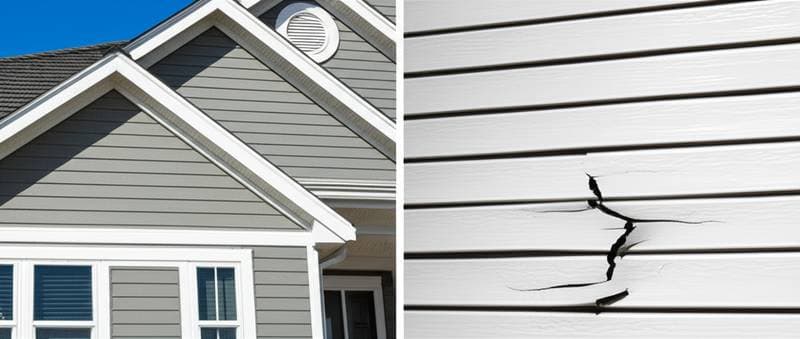
Understanding Hail Impact on Siding Materials
Hail descends with force during storms, striking home exteriors first. In regions prone to severe weather, homeowners discover that siding materials vary widely in resilience. Vinyl siding presents an affordable initial option with appealing aesthetics, yet fiber cement siding proves superior when conditions intensify. This article examines the advantages of fiber cement over vinyl in hail resistance, contrasts their costs, and outlines installation and maintenance processes.
Project Overview
Scope: Complete siding replacement on a single-family residence
Timeline: Typically one to two weeks
Complexity: Moderate to high, influenced by demolition needs and trim details
Cost Range: $8 to $14 per square foot for installation
Influencing Factors: Labor for removal, building height, trim intricacy, and panel dimensions
Selecting Styles and Profiles
Primary Profiles and Suitable Applications
Fiber cement siding appears in lap, panel, and shingle configurations.
- Lap siding complements traditional suburban residences, delivering a classic appearance.
- Panel systems align with contemporary or farmhouse designs, featuring sleek vertical elements.
- Shingle profiles mimic cedar shakes while avoiding problems like splitting or pest damage.
Vinyl siding provides comparable profiles, though its slimmer construction risks fluttering or deforming upon hail contact.
Material Characteristics, Advantages, and Drawbacks
| Material | Structural Strength | Hail Resistance | Fire Resistance | Maintenance Needs | Installed Cost per Square Foot |
|---|---|---|---|---|---|
| Fiber Cement | Very High | Excellent | Non-combustible | Low | $8–$14 |
| Vinyl | Moderate | Poor to Fair | Flammable | Low to Moderate | $5–$9 |
Fiber cement consists of a blend of cement, sand, and cellulose fibers, formed into durable panels. This composition enables resistance to hail, fire, and insects. Vinyl, derived from polyvinyl chloride plastic, offers lightness and flexibility but tends to crack under the force of sizable hailstones.
Guidelines for Combining Elements on Facades
Integrating various textures succeeds when approaches remain straightforward. Apply lap panels to primary walls, incorporate shingles in gable areas, and employ smooth trim around windows. Position transitions at logical points such as corners or floor levels. Refrain from overcomplicating with excessive colors or materials, as this may hinder future repairs.
Approaches to Trim and Accents
Fiber cement trim boards deliver precise edges that endure impacts more effectively than vinyl counterparts. Install backer flashing at every joint and apply caulk using a sealant compatible with cement and suitable for painting. Vinyl trim generally snaps into position without sealant, potentially creating vulnerabilities that widen under stress.
Tailored Examples for Different Home Styles
- Two-Story Colonial: Opt for fiber cement lap siding with a 6-inch exposure, paired with matching trim and a pre-finished neutral tone.
- Ranch-Style Home: Select vertical fiber cement panels, accented by basic corner boards and shingle details in gables.
- Mountain Cottage: Choose substantial lap boards combined with a stone wainscot, engineered to withstand hail and high winds at altitude.
Preparing for Installation
Establishing Objectives and Project Boundaries
Outline priorities prior to contacting installers. Determine if the project involves total replacement or targeted repairs, along with preferences for painted versus pre-finished panels and trim styles that harmonize with the home's architecture. Establish a defined budget and allocate an additional 10 percent for unforeseen expenses.
Evaluating Contractors and Bids
Select installers experienced specifically with fiber cement applications. Request documentation of their training and client references from each candidate. Review detailed written proposals side by side, noting omissions such as flashing, caulking, or painting that might incur later charges.
Reviewing Samples, Mockups, and Finalizing Approvals
Obtain tangible samples demonstrating the siding profile and surface finish. Erect a modest on-site mockup to evaluate color accuracy and joint patterns. Secure written approval for all specifications prior to commencing full work, minimizing potential conflicts and guaranteeing uniform execution.
Preparing the Site and Managing Daily Operations
Relocate outdoor furnishings, vegetation, and vehicles from wall perimeters. Identify and address overhead utilities or landscape features that might impede access. Anticipate dust generation from fiber cement cutting, so keep windows sealed during active hours. Workers employ specialized saws equipped with dust extraction systems and utilize respirators for protection.
Inspection Protocols at Key Stages
- Post-Removal: Examine underlying sheathing for signs of rot or separation.
- Post-Moisture Barrier Application: Verify comprehensive coverage with properly sealed seams.
- During Panel Installation: Confirm that fasteners align and space according to manufacturer guidelines.
- Prior to Painting or Sealing: Ascertain that all joints receive caulking and present a level surface.
- Final Inspection: Assess trim straightness, necessary touch-ups, and site cleanliness before approval.
Sustaining and Benefiting from Fiber Cement Siding
After installation, fiber cement siding imparts a sense of stability regardless of weather conditions. Homeowners experience reassurance amid hail events, as the panels absorb blows that would fracture vinyl. Fewer urgent repairs and insurance filings frequently justify the elevated upfront investment through long-term savings. The material's weight also contributes to reduced external noise from precipitation and gusts.
Annual Maintenance Routine
- Clean exterior surfaces with a gentle wash yearly.
- Apply paint to areas showing chips or abrasions.
- Inspect caulked seams during spring assessments.
- Maintain a one-foot clearance by trimming nearby plants.
- Direct irrigation systems away from walls to limit water contact.
Addressing Frequent Inquiries
How does hail resistance translate to insurance savings? Fiber cement's superior durability often qualifies homes for reduced premiums in hail-vulnerable areas, as claims decrease substantially compared to vinyl setups.
What if partial vinyl siding remains? Transition zones require careful sealing to prevent differential expansion, though full replacement yields the most consistent protection.
Can fiber cement match vinyl's color variety? Manufacturers offer extensive palettes, including custom tints, ensuring aesthetic flexibility without compromising strength.
How does installation differ in cold climates? Crews adjust for temperature-sensitive adhesives and ensure proper ventilation to avoid freeze-thaw damage during setup.