
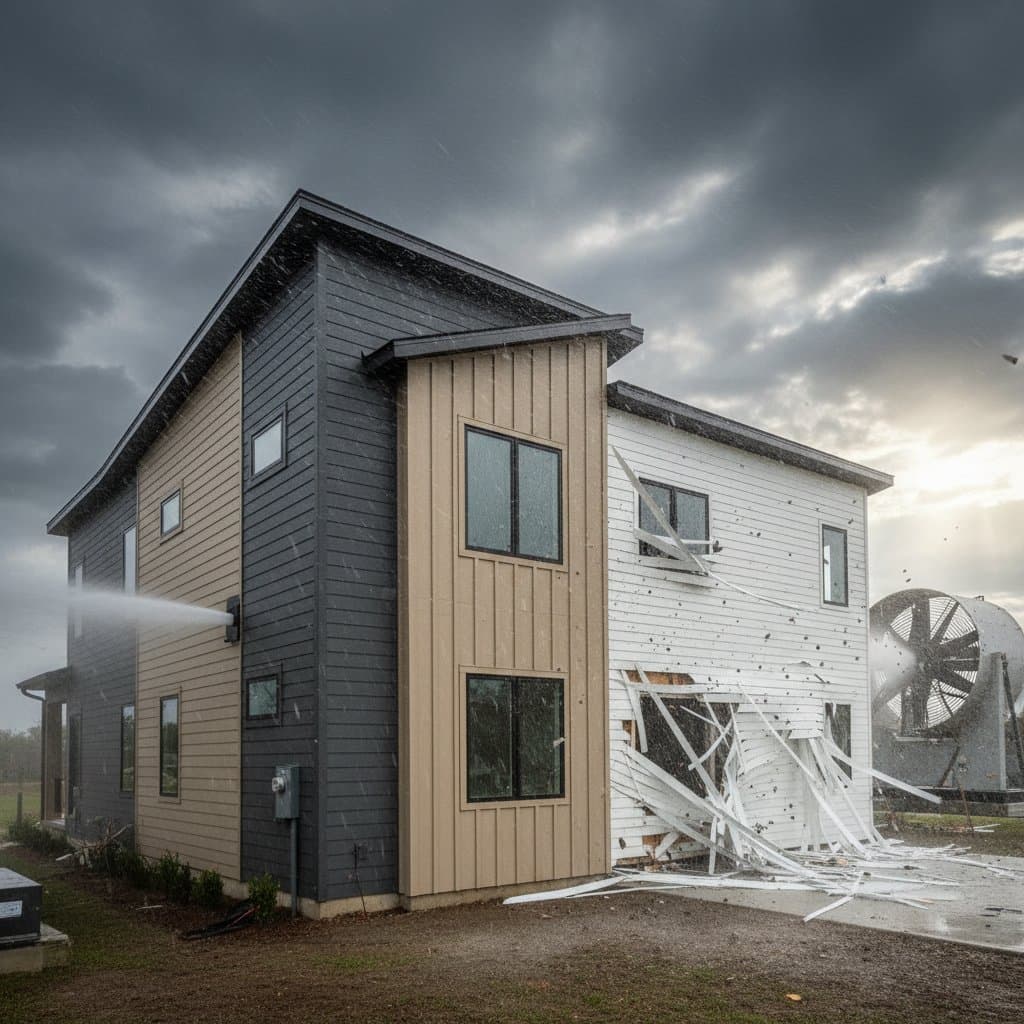
Fiber Cement Siding Excels in Hurricane Simulations
Homeowners in hurricane-vulnerable areas must prioritize siding materials that withstand severe winds, flying debris, and heavy rain. Independent laboratory tests simulating Category 3 hurricane conditions highlight stark differences between fiber cement and vinyl siding. Fiber cement consistently demonstrates superior structural integrity, minimal deformation, and effective water shedding, while vinyl often shows cracking, detachment, and water infiltration. These findings influence not only immediate storm survival but also long-term property value and upkeep costs.
The tests involved exposing panels to winds exceeding 110 miles per hour, salt spray, and projectile impacts mimicking debris. Fiber cement panels retained over 95 percent of their fastening strength post-exposure, compared to vinyl's 70 percent average. Such performance data guides informed decisions for resilient home exteriors.
Evaluating Costs, Returns, and Influencing Variables
Siding replacement expenses vary based on material type, home size, and site-specific challenges. Vinyl siding installation typically ranges from 4 to 8 dollars per square foot, making it an accessible entry-level choice. Fiber cement, priced at 8 to 14 dollars per square foot, justifies the premium through enhanced durability and extended lifespan.
Key Cost Components
- Existing Siding Removal: This process adds 1 to 2 dollars per square foot, including labor for safe disposal of old materials.
- Architectural Details: Elements like gables, dormers, or ornate trim extend labor time by 10 to 20 percent.
- Building Height: Multi-story structures increase costs by 15 to 20 percent due to required scaffolding and safety measures.
- Site Accessibility: Obstructed access from landscaping or neighboring structures can raise expenses through additional equipment needs.
- Surface Preparation and Finishing: Opting for factory-finished fiber cement panels elevates upfront costs but minimizes future painting requirements.
Project Scale Illustrations
- Compact Residence: For 1,000 square feet, expect 9,000 to 12,000 dollars with fiber cement, covering basic installation.
- Average Home: A 1,800-square-foot project falls between 14,000 and 20,000 dollars, factoring in moderate trim work.
- Expansive Property: Homes over 2,600 square feet may total 22,000 to 34,000 dollars, influenced by customization levels.
Return on Investment Analysis
Fiber cement siding recoups 70 to 80 percent of its cost upon resale, as buyers appreciate its robust appearance and minimal upkeep. Vinyl siding yields around 60 percent recovery, limited by perceived lower quality in high-risk zones. In hurricane-prone regions, insurers may discount premiums by 5 to 10 percent for fiber cement due to its proven wind and impact ratings. Over 10 years, reduced repair needs and infrequent repainting often eclipse the initial outlay.
Key Insight: The elevated starting price of fiber cement translates to substantial savings via superior resale returns, decreased maintenance demands, and favorable insurance terms.
Enhancing Curb Appeal Through Thoughtful Design
Selecting siding extends beyond functionality to elevate a home's visual presence and marketability. Effective design principles amplify perceived quality, drawing buyer attention to harmonious proportions and timeless aesthetics.
Balancing Form and Scale
Horizontal siding lines promote visual stability. Fiber cement planks in 8.25-inch widths establish a rhythmic pattern ideal for diverse architectural styles. Steer clear of narrow reveals on expansive walls, which disrupt flow; instead, employ broader panels for single-story designs and refined profiles for vertical elevations to achieve equilibrium.
Selecting Colors for Lasting Impact
Fiber cement's porous texture bonds paint securely, supporting rich hues like slate grays, ocean blues, and subdued earth tones. These choices endure seasonal lighting variations and avoid fleeting fashions. Sample colors in daylight, noting how the material's subtle sheen differs from vinyl's reflective surface.
Accentuating Entryways and Features
Highlight entrances with complementary trim, modern numerals, and strategic illumination. Fiber cement's rigid boards allow precise milling for sharp window and door frames, preserving crisp lines over time. Vinyl components, prone to warping, gradually diminish these focal points.
Key Insight: Strategic proportions, uniform spacing, and subtle contrasts ensure enduring curb appeal, sustaining vibrancy across repaint intervals.
Ensuring Longevity Through Maintenance Practices
Fiber cement demands periodic care to preserve its hurricane-resistant qualities, though less than traditional wood siding. Proactive routines safeguard warranties and avert minor damage from escalating.
Routine Cleaning Protocols
- Direct a garden hose and soft-bristle brush at the surface biannually, using mild soap solutions.
- Refrain from pressure washing to prevent moisture penetration at seams.
- Schedule repaints every 10 to 15 years, guided by fading indicators.
- Address paint chips immediately to restore protective barriers.
Scheduled Assessments
- Yearly Review: Examine sealant joints and metal flashings for integrity.
- Post-Storm Evaluation: Scan for fractures, indentations, or seepage signs.
- Five-Year Check: Test paint bonds and refresh any bare areas.
Upholding Warranty Terms
Manufacturers mandate maintenance records to validate claims, often spanning 30 to 50 years for fiber cement. Retain documentation of cleanings, paints, and inspections. Exclusions apply to installation errors or deferred care, underscoring fiber cement's edge over vinyl's shorter, less conditional coverage.
Maintenance Schedule
| Task | Frequency | Guidelines |
|---|---|---|
| Hose and brush clean | Biannual | Employ gentle detergent; no abrasives |
| Caulk joint review | Annual | Reapply sealant to fissures |
| Full repaint | 10–15 years | Select premium weather-resistant paint |
| Flashing and trim check | Annual | Confirm secure overlaps and seals |
| Storm damage survey | Post-event | Document impacts for potential claims |
Key Insight: Consistent upkeep and timely interventions secure the siding's storm resilience for generations.
Realizing Benefits in Daily Resilience
Fiber cement siding proves its worth during intense weather events, anchoring securely against gale forces where vinyl may falter. Its density counters both uplift pressures and debris strikes, minimizing post-storm disruptions.
Properties clad in fiber cement capture superior photographic detail, with defined contours and vibrant finishes that appeal to appraisers. These exteriors command value uplifts for their fire-resistant, low-effort nature. Fewer insurance filings for exterior damage further bolster financial security.
Periodic maintenance sustains aesthetic freshness, allowing color refreshes without structural overhauls. This adaptability contrasts with vinyl's fixed palette, offering homeowners greater control over evolving tastes and regional demands.