
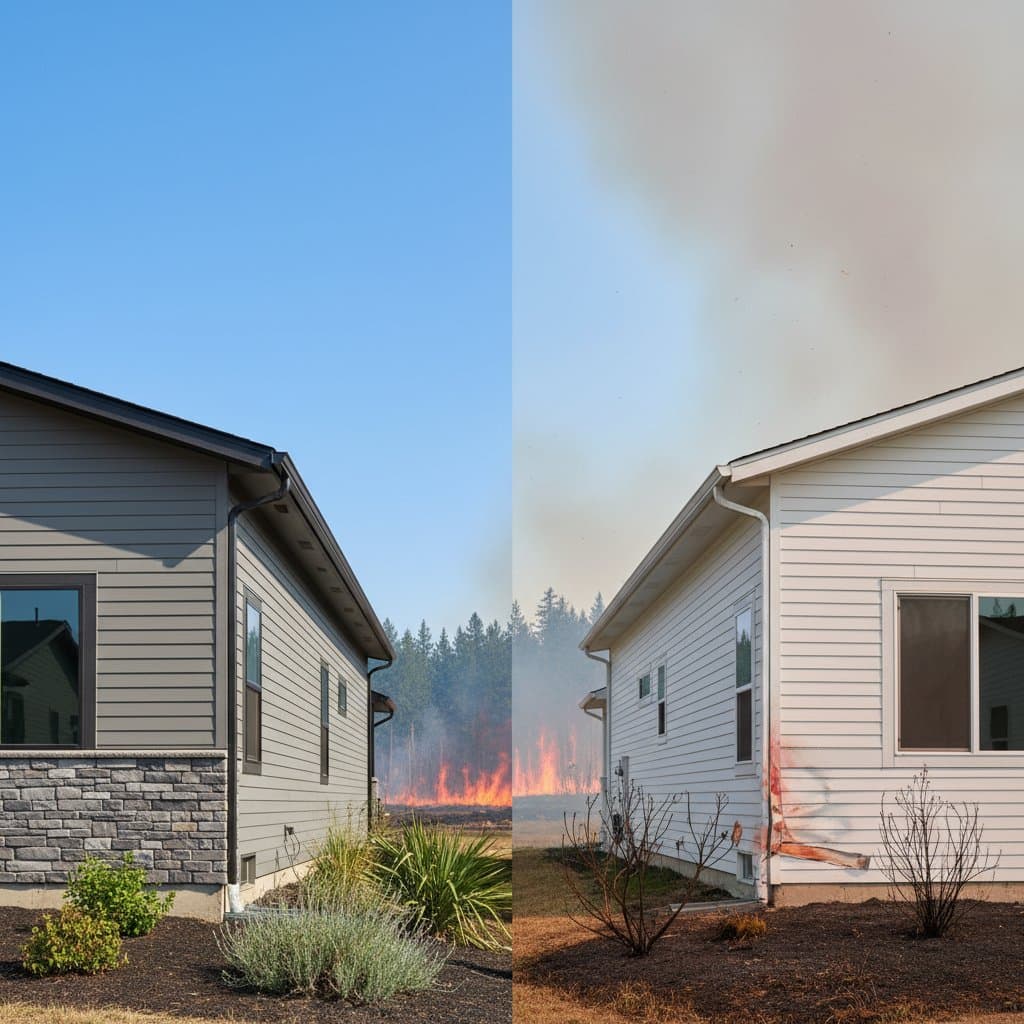
Why Fiber Cement Siding Excels Over Vinyl in Wildfire Areas
Homeowners in regions susceptible to wildfires encounter specific demands for exterior materials. Siding needs to withstand intense heat and airborne embers while preserving aesthetic appeal and financial worth. Fiber cement siding demonstrates clear advantages over vinyl in such environments through enhanced fire resistance, robust construction, and increased market value. This article details pricing elements, aesthetic planning, and upkeep protocols to support informed choices that prioritize protection alongside economic benefits.
Evaluating Costs, Returns, and Key Influences
Fiber cement siding involves greater initial expenses than vinyl, yet these disparities diminish over time with factors like upkeep, lifespan, and potential insurance savings taken into account.
Typical installation costs:
- Compact single-story residence: $14,000 to $22,000
- Moderate two-story residence: $22,000 to $35,000
- Expansive or intricate structures: $35,000 to $55,000
Vinyl benchmark: Installation at $6 to $10 per square foot, representing approximately 40 percent savings at the outset. However, vinyl tends to depreciate more rapidly in fire-risk zones owing to elevated insurance premiums and inferior fire performance ratings.
Elements affecting expenses:
- Demolition and disposal of prior siding
- Elevation of walls and ease of access
- Intricacy of trim and flashing installations
- Regional labor costs and permitting processes
- Options for painted finishes or pre-colored panels
Projected return on investment: Data from national real estate analyses indicate that fiber cement recoups 60 to 80 percent of its cost upon sale in vulnerable locations, whereas vinyl achieves around 50 percent. Prospective buyers favor features that mitigate fire hazards and minimize future restoration expenses.
Practical recommendation: For properties intended for ownership beyond five years or situated near wildfire perimeters, fiber cement delivers superior long-term financial advantages over more affordable vinyl alternatives.
Enhancing Aesthetics for Lasting Appeal
Residences built to resist wildfires maintain strong visual interest. Emphasize balance, variation, and precision rather than elaborate, labor-intensive decorations.
Structural harmony and scale: Apply uniform lap spacing throughout all facades. Coordinate window casings with siding alignments to achieve cohesive patterns. Wider lap widths convey a classic style, whereas slimmer profiles suggest contemporary elegance.
Hue selection and texture: Fiber cement accommodates rich, subdued coatings that capture light effectively and conceal environmental residue. Select balanced, earthy tones that complement local vegetation. Steer clear of pale vinyl options prone to fading from solar exposure.
Focal points at entrances: Incorporate fireproof trim and metallic lighting elements around portals. Substitute wooden eaves with fiber cement sheets for seamless safeguarding. Prominent, legible address markers paired with symmetrical illumination boost market perception.
Practical recommendation: Integrating Class A fire-rated components into a cohesive scheme elevates both security and exterior charm. Potential purchasers interpret such enhancements as indicators of solid construction and diminished liability.
Upkeep Practices and Extended Durability
The resilience of fiber cement relies on regular cleaning and assessments rather than ongoing fixes.
Recommended cleaning approaches:
- Flush surfaces one or two times annually using low-pressure water
- Apply diluted soap with a flexible brush to address accumulations
- Refrain from high-pressure devices that may force moisture into seams
Scheduled evaluations:
- Annually review sealants, coatings, and metal edges
- Refresh paint applications every 15 to 20 years or upon noticeable wear
- Swap out compromised sections immediately to preserve weatherproofing
Standard warranties: Producers generally guarantee fire performance and material strength, excluding cosmetic wear or collision impacts. Retain documentation of purchases, shade specifications, and installer contacts to facilitate claims.
Upkeep routine:
- Clean surfaces softly once yearly
- Examine seams and adhesives each year
- Apply spot paints following any corrections
- Maintain vegetation clearance of at least six inches from walls
- Confirm that drainage systems avoid water rebound
Practical recommendation: Consistent monitoring prolongs usability beyond 40 years, thereby lowering total expenses relative to vinyl renewals.
Building Confidence in Fire-Resistant Exteriors
Within wildfire territories, the effectiveness of siding influences personal security, policy costs, and buyer assurance. The inherent nonflammability of fiber cement, combined with its established toughness, validates the elevated starting investment.
Property owners who view siding as an integral component of fire mitigation strategies experience minimal disruptions and heightened market demand. Thoughtful aesthetics, professional installation verification, and diligent oversight establish a reliable, flame-retardant shell that safeguards assets and tranquility alike.