
Fiber Cement Versus Vinyl Siding: Evaluating 10-Year Fade Resistance
Homeowners select siding materials with careful consideration of aesthetics and durability. Exposure to sunlight, humidity, and fluctuating temperatures gradually affects color integrity, influencing not only visual appeal but also property value and upkeep expenses. This analysis examines fiber cement and vinyl siding through key performance metrics, focusing on their ability to maintain color and overall value across a decade.
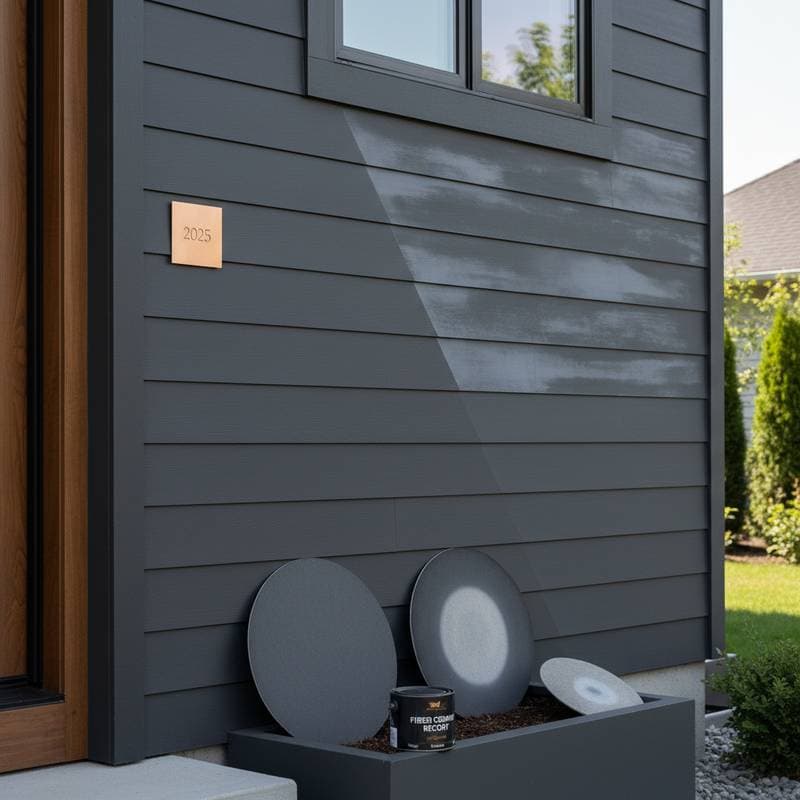
Fiber cement, composed of cement, sand, and cellulose fibers, features factory-applied coatings designed for longevity. These coatings resist ultraviolet degradation more effectively than vinyl's extruded polymer surface. Studies from industry sources indicate that fiber cement retains at least 80 percent of its original color after 10 years in moderate climates, while vinyl may drop to 70 percent under similar conditions.
Vinyl siding, made from polyvinyl chloride, incorporates UV stabilizers during manufacturing. However, these additives deplete over time, leading to chalking and pigment shift. Darker vinyl colors, such as deep greens or navies, accelerate this process due to higher heat absorption, often requiring attention within five to seven years.
Initial Costs, Long-Term Returns, and Influencing Variables
Budget constraints often guide the choice between fiber cement and vinyl, yet evaluating total lifecycle expenses reveals a broader picture. Installed vinyl siding costs between $4 and $9 per square foot, covering materials, labor, and basic trim. Fiber cement, requiring specialized tools for cutting and fastening, ranges from $7 to $14 per square foot.
For a modest 1,500-square-foot home, vinyl installation might total $8,000, whereas fiber cement could reach $15,000. Larger properties with intricate features, like multi-level facades or custom accents, push fiber cement costs toward $30,000 or more. These investments gain significance as environmental exposure intensifies fading on expansive surfaces.
Return on Investment Insights
Resale data highlights fiber cement's edge in value recovery. Projects using fiber cement recoup 75 to 85 percent of costs upon sale, attributed to its premium appearance and structural resilience. Vinyl recovers 65 to 75 percent, appealing to budget-conscious buyers but sometimes perceived as less substantial.
Homebuyers associate fiber cement with quality craftsmanship, enhancing marketability even after years of exposure. In contrast, noticeable vinyl fading can deter offers, prompting earlier replacements that offset initial savings.
Key Insight: Although fiber cement demands greater upfront capital, its sustained visual and structural integrity often yields superior long-term financial benefits. Vinyl suits immediate affordability needs, provided homeowners accept potential mid-term refreshes.
Enhancing Curb Appeal Through Strategic Design
Fading alters more than surface tone; it disrupts architectural harmony visible from afar. Subtle shifts in mid-range beiges or taupes blend seamlessly, whereas bold hues like crimson or cobalt amplify discrepancies. Effective design mitigates these effects by emphasizing balance and light management.
Essential Design Strategies
-
Consistent Horizontal Alignment: Maintain uniform lap siding widths to avoid accentuating fade lines on eaves or peaks.
-
Strategic Contrast Levels: Pair darker body colors with lighter trim to mask panel wear; matching tones exacerbate visibility.
-
Accentuated Entryways: Illuminate porches and doors with durable fixtures to draw focus away from subtle sidewall changes.
-
Undertone Selection: Opt for warm earth tones over stark cools, as ultraviolet rays subtly warm pigments, preserving harmony.
Fiber cement's textured, low-sheen profile diffuses sunlight, softening fade transitions. Vinyl's smoother, reflective quality can spotlight inconsistencies during peak daylight hours. Professional photographers recommend staging homes with fiber cement for listings, as its even light distribution flatters aged surfaces.
Key Insight: Thoughtful color pairing and finish choices minimize fade's perceptual impact, sustaining attractive exteriors and supporting higher property valuations.
Maintenance Practices for Extended Durability
Proactive upkeep safeguards siding integrity, delaying visible decline for both materials. A structured routine addresses surface and underlying issues before they compound.
Comprehensive Maintenance Protocol
-
Yearly Cleaning: Employ a gentle brush with diluted soap solution; restrict pressure washing to under 1,500 psi to prevent substrate damage.
-
Twice-Yearly Assessments: Check for powdery residue, flaking edges, or gloss variations indicating early degradation.
-
Fiber Cement Repainting Schedule: Refresh factory finishes every 10 to 12 years; field-applied coats may need attention after 7 to 8 years using high-quality exterior paints.
-
Joint Sealing Updates: Reapply elastomeric sealants at seams and fixtures every 3 to 5 years to block moisture ingress.
-
Trim and Accessory Care: Promptly address caulk failures around windows and doors to maintain weather resistance.
Fiber cement allows straightforward repainting, restoring factory-fresh vibrancy without material replacement. Vinyl recoloring demands proprietary sprays or panels, complicating restoration and increasing costs.
Warranty Considerations
Manufacturers provide fiber cement warranties up to 15 years for color stability on prefinished products, often including material replacement. Vinyl guarantees specify fade thresholds in Delta E measurements, where shifts exceeding 5 units trigger claims; labor coverage varies by provider.
Verify policy details during purchase, as climate and orientation influence performance. Southern-facing walls endure harsher ultraviolet loads, shortening effective warranty periods.
Key Insight: Diligent cleaning and inspections benefit all sidings, but fiber cement's repaint versatility ensures quicker, more cost-effective revival of appeal.
Making Informed Decisions for Lasting Home Exteriors
Selecting between fiber cement and vinyl involves weighing immediate budgets against decade-long performance. Fiber cement delivers enduring color fidelity and premium aesthetics, justifying its premium price for those prioritizing longevity. Vinyl offers accessible entry into siding upgrades, ideal for rentals or short-term ownership where fade concerns play a lesser role.
Consider local climate, home style, and personal maintenance tolerance. Consulting certified installers ensures optimal material application, maximizing whichever choice aligns with your vision. Ultimately, a well-chosen siding enhances daily enjoyment and secures future equity.