
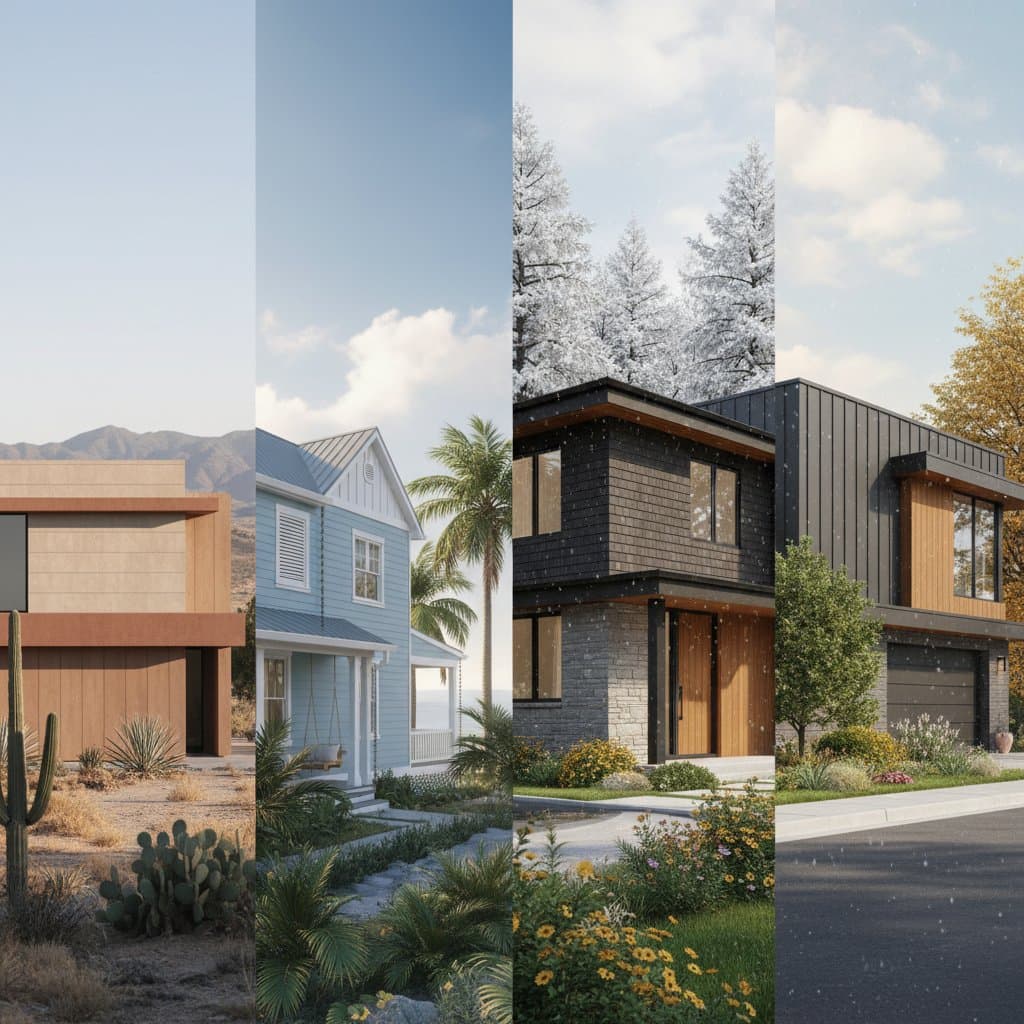
Understanding Siding's Role in Weather Resistance
Siding serves as the primary barrier between your home and the elements. It shields against rain, snow, intense sunlight, high winds, and temperature extremes. Proper selection ensures protection for the underlying structure while enhancing visual appeal. Failure to match siding to local conditions often leads to premature deterioration, increased repair costs, and potential warranty issues.
Consider your area's predominant weather patterns. Regions with heavy rainfall require materials that drain water effectively and resist mold growth. Arid climates demand options that endure ultraviolet exposure without fading or cracking. By evaluating these factors early, homeowners achieve a siding system that performs reliably for decades.
Exploring Siding Profiles and Their Ideal Applications
Siding profiles influence both functionality and design. Each type channels water, withstands wind loads, and integrates with architectural styles differently. Understanding these distinctions aids in selecting profiles that complement your home's form and local environment.
Common Profiles and Climate Suitability
-
Lap Siding (Clapboard): This horizontal profile overlaps for superior water shedding. It performs effectively across diverse climates, particularly in traditional colonial or ranch-style homes where even exposure to elements occurs.
-
Board and Batten: Vertical boards with battens covering seams excel in directing water downward. Such designs suit rural or farmhouse aesthetics and hold up well in areas prone to heavy rain or snow accumulation.
-
Shingle or Shake: These textured options mimic natural materials and provide shadow lines for depth. They thrive in coastal zones with salt exposure or forested areas with moderate humidity, offering ventilation to prevent moisture buildup.
-
Panel Systems: Large, flat panels deliver a sleek, contemporary appearance. Often crafted from fiber cement or metal, they necessitate meticulous flashing around edges to avoid leaks, making them suitable for urban settings with variable winds.
Evaluating Material Choices: Pros, Cons, and Performance
Materials vary in their ability to combat specific environmental challenges. Factors like thermal expansion, impact resistance, and upkeep requirements determine long-term success. Below, key options receive detailed assessment to guide informed decisions.
Vinyl Siding
Vinyl offers an economical entry point for exterior updates. Its locked-in color resists fading from sun exposure, and routine cleaning with mild soap suffices for maintenance. However, in subzero temperatures, it risks cracking under impact, while prolonged high heat may cause warping. Ideal for temperate zones with moderate seasonal shifts, vinyl provides broad color selections without ongoing painting demands.
Fiber Cement Siding
This composite material combines durability with low flammability. It repels moisture and insects effectively, standing strong against rot in humid or rainy locales. Installation proves labor-intensive due to its weight, and repainting every 10 to 15 years becomes necessary to preserve appearance. Homeowners in wildfire-prone or coastal regions appreciate its stability and textured finishes that emulate wood.
Engineered Wood Siding
Manufactured from wood strands and resins, engineered wood delivers the warmth of natural grain with enhanced resistance to decay. Factory-applied finishes protect against weathering, but exposed cut edges require sealing to avert swelling from moisture. It flexes slightly in temperature fluctuations, suiting mountainous or variable climates where aesthetic authenticity matters. Regular inspections ensure longevity beyond 25 years.
Metal Siding
Aluminum or steel panels boast exceptional fire ratings and effortless water runoff. They deter pests and require minimal maintenance, often lasting 40 years or more. Vulnerability to denting from hail or debris affects choices in stormy areas, though thicker gauges mitigate this risk. Urban or industrial settings benefit from metal's sleek lines and recyclable nature.
Natural Wood Siding
Cedar or redwood imparts unmatched character and insulation value. These species naturally resist insects and decay when properly treated. Sealing every three to five years proves essential to combat rot in wet climates or termite activity in warmer zones. While premium in cost, natural wood elevates curb appeal for homeowners willing to invest in upkeep.
Design Principles for Cohesive Exteriors
Achieving a balanced facade involves strategic material combinations. Limit primary siding to one type, accented by a secondary texture for visual interest. Position transitions at architectural features like rooflines or protrusions to maintain harmony.
Avoid exceeding two materials per wall plane without professional input, as this complicates weatherproofing. Such restraint prevents visual clutter and simplifies repairs. Consult local building codes to ensure compliance with wind and seismic standards.
Integrating Trim and Accents
Select trim from rot-resistant materials like PVC or aluminum to frame edges sharply. In high-wind regions, reinforced corner boards stabilize panels against flexing. Coordinate soffit and fascia hues with siding for seamless flow, enhancing overall cohesion.
Tailored Examples for Different Home Styles
Application varies by structure and locale. These scenarios illustrate practical pairings.
-
Coastal Cottage: Opt for fiber cement lap siding paired with PVC trim. This combination withstands corrosive salt air and frequent moisture without frequent interventions.
-
Mountain Cabin: Engineered wood in board and batten style provides rustic charm and adaptability to freeze-thaw cycles. Its flexibility absorbs minor shifts from settling foundations.
-
Urban Duplex: Metal panels with concealed fasteners offer fire resistance and ease of cleaning. They align with dense neighborhoods where low maintenance supports busy lifestyles.
Preparing for a Successful Siding Installation
Thorough preparation minimizes disruptions and maximizes outcomes. Follow these steps to align expectations with reality.
-
Establish Project Objectives: Identify priorities such as enhanced energy efficiency, trim replacements, or aesthetic refreshes. Define desired durability span and financial limits to narrow options.
-
Vet Potential Contractors: Confirm credentials including licenses, bonding, and insurance. Request portfolios of comparable projects in similar climates to gauge expertise.
-
Analyze Proposals: Beyond total costs, scrutinize specifics like material brands, thicknesses, and warranties. Ensure all bids encompass identical work scopes for fair comparison.
-
Examine Physical Samples: View materials under daylight conditions to assess true colors and textures. Test edge details for quality craftsmanship indicators.
-
Site Readiness: Relocate outdoor elements, protect landscaping, and designate access paths. Coordinate with crews on timelines to avoid surprises.
-
Monitor Progress Daily: Account for typical sounds and debris generation. Maintain dialogue with supervisors to address concerns promptly.
-
Conduct Inspections: Verify secure flashing, tight joints, and even fastener placement. Approve sections sequentially to uphold standards throughout.
Maximizing Longevity Through Climate-Smart Choices
Siding attuned to environmental demands reduces lifetime expenses and upkeep burdens. Dense options like fiber cement or metal excel in cold, harsh winters by maintaining integrity against ice and frost. In humid, coastal environments, prioritize ventilated designs and corrosion-resistant elements to foster breathability.
Ultimately, the optimal selection harmonizes weather resilience with personal tolerances for maintenance. Professional guidance refines choices, ensuring your investment safeguards both form and function for generations.