
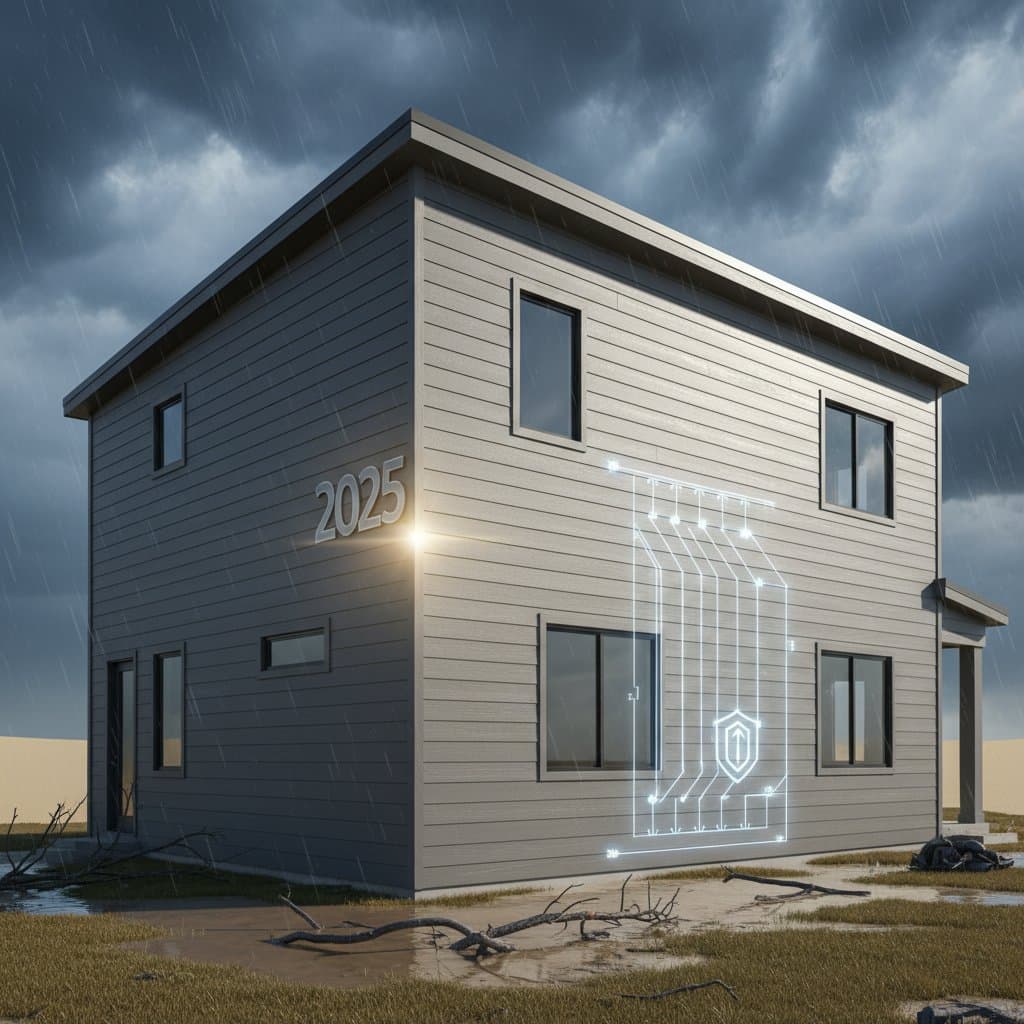
Why Fiber Cement Siding Outperforms Vinyl Under 2025 Hurricane Codes
Homeowners in hurricane-prone areas face evolving building standards that prioritize resilience against high winds, heavy rain, and flying debris. The 2025 updates to hurricane codes introduce stricter requirements for siding materials, focusing on wind load resistance, secure fastening, and moisture management. Fiber cement siding emerges as a superior option compared to vinyl, offering enhanced durability and compliance without the vulnerabilities that plague lighter alternatives. This shift influences not only immediate safety but also long-term property value and insurance considerations.
Coastal regions and inland high-wind zones now mandate siding that withstands sustained winds up to 140 miles per hour in many cases. Inspectors evaluate materials based on standardized tests from organizations like the International Code Council. Fiber cement consistently passes these evaluations, while vinyl often requires additional reinforcements or faces restrictions in severe zones. Homeowners benefit from selecting materials that align with these codes from the outset, avoiding costly retrofits after installation.
Evaluating Material Options for Hurricane Resilience
Selecting the right siding involves balancing performance metrics against practical needs such as cost and aesthetics. Fiber cement, composed of cement, sand, and cellulose fibers, provides a robust barrier that vinyl, made from polyvinyl chloride, cannot match in extreme conditions. Below is a detailed comparison to guide decisions.
Performance Comparison Table
| Material Type | Wind Resistance | Fire Rating | Moisture Response | Maintenance Requirements | Expected Lifespan |
|---|---|---|---|---|---|
| Vinyl | Moderate; prone to detachment above 110 mph | Poor | Expands and contracts with temperature changes | Annual washing to prevent mildew | 20 to 30 years |
| Fiber Cement | High; tested to 140+ mph with proper installation | Excellent | Stable when properly sealed; resists warping | Repainting every 10 to 15 years | 40 to 50 years |
| Engineered Wood | Moderate; susceptible to impact damage | Fair | Requires vigilant sealing to avoid rot | Painting or staining every 8 years | 25 to 35 years |
Key Durability Factors
Fiber cement siding excels in withstanding the multifaceted threats of hurricanes. Its dense composition resists cracking from impacts, such as branches or hail, and maintains integrity during prolonged exposure to saltwater spray in coastal environments. Proper sealing of joints and edges creates a watertight envelope that prevents mold growth and structural decay behind the siding.
Vinyl siding, although easier to install due to its flexibility, falters in high-velocity winds. Panels can pop out or shatter if fasteners fail, leading to water infiltration and subsequent repairs. In fire-prone hurricane zones, fiber cement's non-combustible nature provides an additional layer of protection, potentially lowering insurance premiums by up to 15 percent in qualifying areas.
Aesthetic and Texture Integration
Achieving a cohesive look while adhering to code requires thoughtful profile selection. Opt for smooth lap siding on primary walls to ensure even fastening and minimal wind catch points. Reserve textured options, like shingle or board-and-batten styles, for accents such as gables or porch trim to add visual interest without compromising structural performance.
Consistent trim colors unify the facade and simplify inspection approvals. For example, pair a neutral body color with matching soffit and fascia elements to create a streamlined appearance that enhances curb appeal. This approach satisfies aesthetic preferences while meeting the precise spacing and penetration rules for fasteners outlined in the updated codes.
Key Insight: Prioritize fiber cement for its proven track record in code compliance and versatile design options. Reserve vinyl for low-risk areas, such as interior-facing walls or detached garages, where full hurricane standards do not apply.
Mastering Installation for Long-Term Protection
Installation quality determines whether a material's inherent strengths translate to real-world performance. In hurricane zones, every detail—from fastener selection to site preparation—plays a critical role in achieving code certification. Fiber cement demands precision, but the investment yields a siding system that endures decades of severe weather.
Building Envelope Safeguards
The weather-resistive barrier, often a house wrap or felt paper, forms the foundation of protection. Each fiber cement panel installation involves nails or screws that pierce this layer, so corrosion-resistant fasteners, such as hot-dipped galvanized or stainless steel, are essential. Drive them flush to the surface without dimpling, ensuring a secure hold that meets the 6-inch edge spacing requirement in high-wind areas.
Flashing installation at windows, doors, and horizontal joints diverts water away from vulnerable seams. For vinyl, interlocking panels must align perfectly to avoid gaps, but overtightening can cause warping over time. In both cases, comprehensive caulking with high-quality sealants reinforces the system's integrity against driving rain.
Identifying and Avoiding Pitfalls
Several common errors undermine even the best materials. Unsealed cut edges on fiber cement absorb moisture, leading to efflorescence or cracking; always apply field primer immediately after cutting. Loose or improperly aligned starter strips at the base create an entry point for wind uplift, potentially dislodging entire sections during a storm.
Inconsistent nailing patterns, such as clustering fasteners or exceeding maximum spacing, reduce the overall wind rating. Contractors should follow manufacturer guidelines, typically requiring six nails per panel in zone-specific configurations. Pre-installation mockups on a small area can reveal issues early and ensure uniformity across the project.
Practical Site Considerations
Fiber cement cutting generates silica dust, which requires mitigation for health and environmental reasons. Use a wet saw or one equipped with a HEPA vacuum outdoors, away from living areas. Schedule noisy operations during daylight hours and communicate with neighbors in advance to foster goodwill and comply with local noise ordinances.
Contain all debris in sealed bins for proper disposal, adhering to guidelines from the Environmental Protection Agency. This proactive management not only protects workers but also maintains a professional site that reassures homeowners throughout the process.
Key Insight: Meticulous installation techniques preserve the superior qualities of fiber cement, turning potential weaknesses into strengths. Focus on sealing, fastening, and site control to secure full code compliance.
Selecting and Collaborating with Contractors
Choosing a reliable contractor transforms a complex project into a seamless upgrade. In hurricane zones, experience with code-compliant installations separates competent professionals from novices. Begin by verifying credentials, including licensing, insurance, and references from similar storm-resistant projects.
Defining Project Scope
A comprehensive scope of work prevents misunderstandings and cost overruns. Ensure bids encompass complete old siding removal, including any underlying damage assessment. Include replacement of the weather barrier, installation of all flashing and trim, application of protective finishes, and coordination of permits and inspections.
Specify details like panel thickness—at least 5/16 inch for fiber cement in high-wind areas—and the exact wind rating, such as Miami-Dade County approvals for severe zones. This level of detail allows for accurate comparisons and holds contractors accountable to performance standards.
Bid Evaluation and Negotiation
Request itemized bids that break down labor, materials, and disposal fees. Scrutinize warranty coverage: fiber cement typically offers 30 to 50 years on the product, but labor warranties vary from five to ten years. Question any vague terms and insist on documentation of the fastening schedule to confirm code adherence.
Compare at least three bids, prioritizing those with transparent pricing over the lowest figure. Inquire about subcontractor involvement and material sourcing to gauge reliability. A contractor who provides a detailed timeline, including weather contingencies, demonstrates foresight essential for hurricane-season projects.
Structured Payment Approach
Implement payments tied to verifiable progress to maintain control. Start with a deposit of 10 to 20 percent after signing the contract and reviewing the scope. Release the midpoint payment following wall preparation and barrier installation, confirmed by photos or a site visit.
Withhold the final 10 to 20 percent until final inspections pass and all punch-list items, such as touch-up painting or debris removal, are addressed. This structure incentivizes timely, high-quality completion and provides recourse if issues arise.
Key Insight: Detailed scopes, competitive bidding, and phased payments align contractor efforts with homeowner goals, ensuring a durable, code-compliant outcome.
Realizing Benefits in Storm-Prone Living
Adopting fiber cement siding equips homes to face hurricanes with confidence, often without altering underlying sheathing or framing. The material's weight and rigidity enhance overall structural stability, while its fire resistance meets stringent safety benchmarks. Over time, it retains a fresh appearance with minimal upkeep, outperforming vinyl in both functionality and style.
The initial investment, typically 20 to 40 percent higher than vinyl, recoups through multiple channels. Reduced insurance rates reflect the lower risk profile, and enhanced resale value appeals to buyers seeking verified storm readiness. In regions like Florida or the Carolinas, properties with compliant fiber cement command premiums of five to ten percent.
Homeowners report greater peace of mind during storm seasons, knowing their investment withstands nature's fury. This choice not only safeguards assets but also contributes to community resilience by setting a standard for durable construction.